First-Time Home Buyers • Home Buying Process • March 6, 2026

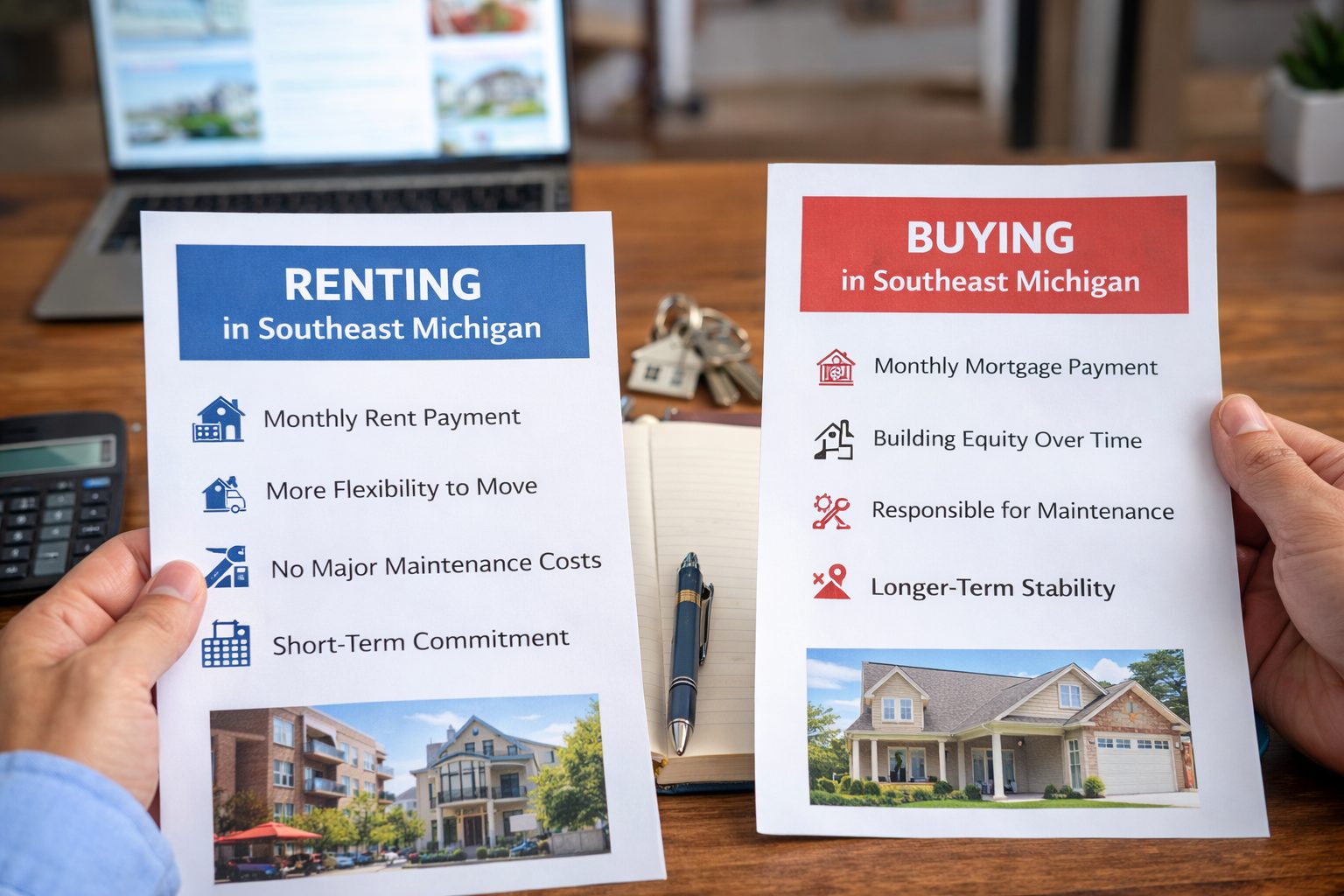
Rent vs Buy in Southeast Michigan: What Buyers Often Consider

Many people across Southeast Michigan eventually reach the same question.


Home Selling • March 2, 2026

What Appraisers Look For in Michigan Homes

If you are under contract on a home in Michigan, the appraisal is one of the final checkpoints before closing.

This step often brings anxiety for both buyers and sellers, especially in competitive markets like Plymouth, Northville, Novi, Farmington Hills, Ann Arbor, and surrounding Southeast Michigan communities.

The appraisal is not about opinions or personal taste. It is a structured, data based report ordered by the lender to determine whether the property supports the agreed purchase price.

When you understand what appraisers actually analyze, the process feels far more manageable.

Why the Appraisal Matters in a Michigan Transaction

In most financed purchases, the lender orders the appraisal through a third party appraisal management company. The appraiser’s client is the lender, not the buyer or seller.

The purpose is simple. The lender needs confirmation that the home’s market value supports the loan amount.

If the appraised value comes in at or above the purchase price, the transaction typically moves forward.

If the value comes in lower than the contract price, we pause and evaluate options. That may include renegotiating, adjusting terms, disputing factual errors, or revisiting financing structure. Every situation is case specific.

The key is preparation and realistic pricing before we ever reach this stage.

How Michigan Appraisers Determine Value

Appraisers follow uniform standards and rely heavily on recent, comparable closed sales. While each property is unique, there are consistent factors that carry weight.

Comparable Sales

Closed sales are the foundation of the appraisal report.

The appraiser looks for homes that are:

• Similar in square footage
• Similar in age and architectural style
• Located nearby
• Recently sold, typically within the past three to six months when possible

In fast moving Southeast Michigan markets, timing matters. A sale from six months ago may reflect a different market than today. Appraisers make time adjustments when necessary, but recent data is strongest.

Active listings and pending sales provide context. Closed sales carry the most weight because they reflect what a buyer actually paid.

Appraiser taking notes inside a Michigan home during the appraisal process

During a Michigan home appraisal, the appraiser evaluates condition, layout, and overall market comparables before finalizing the report.

Location and Micro Market Trends

Even within the same city, values can vary by subdivision, lot size, and proximity to amenities.

Appraisers review:

• Recent neighborhood sales
• Average days on market
• Sale to list price ratios
• Inventory levels
• Overall market stability

They are evaluating objective market behavior tied to the property itself. The focus remains on measurable market data.

Property Size and Layout

Above grade square footage is calculated and compared carefully.

In Michigan, finished basements are common and can add meaningful value. However, basement space is valued differently than above grade living area. It contributes to overall appeal and functionality, but it does not carry the same per square foot value as main floor space.

Bedroom and bathroom count, layout functionality, and flow also matter.

Condition and Major Components

Appraisers assess condition relative to comparable homes.

They look at:

• Roof age and condition
• Windows
• HVAC systems
• Foundation condition
• Kitchen and bath updates
• Evidence of deferred maintenance

They are evaluating condition and remaining useful life of major systems.

Health and Safety Requirements

Lenders require homes to meet basic safety standards.

Items such as peeling paint in older homes, missing handrails, exposed wiring, or significant structural concerns may be flagged. In some cases, repairs must be completed before closing.

This is not as detailed as a home inspection, but safety issues can affect loan approval depending on loan type.

What Does Not Automatically Increase Appraised Value

Certain upgrades may feel valuable to a homeowner but do not automatically translate into dollar for dollar increases in appraised value.

Examples can include:

• Highly customized finishes
• Over improvement compared to the neighborhood
• Extensive landscaping beyond typical area standards

Appraisers rely on comparable sales data. If similar homes did not sell at higher prices for those features, the value adjustment may be limited.

Value is tied to what the market has demonstrated, not simply what was spent.

How I Prepare Clients Before the Appraisal

Preparation starts well before the appraiser walks through the door.

For sellers, thoughtful pricing based on current comparable sales is the first line of defense against appraisal issues. Before listing, I analyze:

• Recent closed sales
• Pending activity
• Competing inventory
• Market velocity in that specific neighborhood

Prior to the appraisal appointment, I recommend sellers:

• Complete minor visible repairs
• Ensure utilities are fully operational
• Provide a written list of meaningful upgrades with dates
• Make the home accessible and presentable

For buyers, especially in competitive offer situations, we discuss appraisal risk upfront. If we are offering above list price, we review comparable sales together so you understand where the number stands relative to the market.

If an Appraisal Comes in Low

While most transactions proceed without issue, low appraisals do occur.

When they do, we approach it calmly and factually. Options may include:

• Renegotiating the purchase price
• Buyer covering a portion of the gap
• Reviewing the report for factual inaccuracies
• Re evaluating financing structure

Every situation is unique. The right approach depends on the numbers, the market conditions, and the motivation of both parties.

Final Thoughts

The appraisal is not designed to derail your transaction. It is a structured checkpoint in the lending process.

In Southeast Michigan, where housing stock ranges from historic homes to new construction, understanding how value is measured helps both buyers and sellers move forward with confidence.

If you are preparing to list your home or write an offer and want a realistic assessment of how current comparable sales may impact your appraisal, I am happy to walk through the data with you.

Just a clear, informed conversation so you can make decisions with confidence.

Home Selling • March 2, 2026

What Happens if a Buyer Backs Out in Michigan?

If your home was under contract in Michigan and the buyer just backed out, you are likely asking:

Can they legally do that?
Do I get to keep the earnest money?
What happens to my listing now?

Until closing day, a real estate transaction in Michigan is still subject to the terms of the signed purchase agreement. Whether a buyer can walk away depends entirely on the contract and the timing.

Here is how it typically works.

Why Buyers Back Out of Contracts in Michigan

Most Michigan residential purchase agreements include contingencies. A contingency is a condition that must be satisfied before the transaction becomes fully binding.

Common contingencies in Michigan include:

Inspection contingency
Financing contingency
Appraisal contingency
Sale of buyer’s home contingency

If a buyer withdraws within a valid contingency period and follows the contract terms properly, they may have the legal right to terminate the agreement.

If they attempt to back out outside of those terms, the situation is handled differently.

If the Buyer Cancels During a Contingency Period

This is the most common scenario.

For example:

During the inspection period, the buyer may request repairs or concessions. If the parties cannot reach agreement within the timeframe stated in the contract, the buyer may terminate.

If a lender issues a documented financing denial within the financing contingency period, the buyer may withdraw under that provision.

If an appraisal comes in below the purchase price and the contract includes an appraisal contingency, the buyer may have options to renegotiate or cancel.

In these cases, the earnest money deposit is typically returned to the buyer, provided they complied with the contract terms and deadlines.

If the Buyer Backs Out After Contingencies Are Removed

Once contingencies are satisfied, waived, or expired, the agreement becomes more binding.

If a buyer walks away without contractual grounds, the seller may have the right to claim the earnest money deposit as liquidated damages. The Michigan purchase agreement outlines how disputes over earnest money are handled.

In many Michigan transactions, earnest money is held by the listing broker or a title company. Funds are not automatically released to either party without proper written authorization or legal direction.

While sellers may technically have additional legal remedies, most situations are resolved at the earnest money level. Litigation is uncommon and usually avoided due to cost and timing considerations.

Close up of Michigan real estate purchase agreement with pen and sale pending sign in background

When a buyer backs out in Michigan, the purchase agreement and contingency timelines determine the next steps.

What Happens to the Listing After a Buyer Backs Out?

If a transaction falls apart, the property typically returns to Active status in the MLS.

In Southeast Michigan markets, it is not unusual for homes to come back on the market due to inspection findings, financing issues, appraisal gaps, or buyer personal circumstances.

A failed deal does not automatically mean there is something wrong with the property.

However, how the relaunch is handled matters. Pricing, updated disclosures, and clear communication through the listing agent can influence how quickly a new offer comes together.

Does a Buyer Backing Out Hurt the Seller?

Not necessarily.

In competitive price ranges across Southeast Michigan, well positioned homes often secure another offer quickly.

That said, timing plays a role. If the home was under contract for several weeks, buyers may ask why it returned to the market. The response should always be factual and aligned with the written record.

Staying steady and strategic is more productive than reacting emotionally.

How Sellers in Michigan Can Reduce Risk

While no seller can control every variable, risk can be reduced by:

Reviewing buyer preapproval letters carefully
Confirming the strength and reputation of the lender
Setting clear and reasonable contingency timelines
Avoiding unnecessary deadline extensions
Pricing realistically to reduce appraisal exposure

A well structured contract at the beginning often prevents larger problems later.

Frequently Asked Questions About Buyers Backing Out in Michigan

Can a buyer legally back out of a contract in Michigan?

Yes, if they are still within a valid contingency period and follow the contract terms properly. Outside of those conditions, consequences may apply.

Do sellers automatically keep the earnest money in Michigan?

No. Earnest money is not automatically released to either party. If there is a dispute, written agreement or legal direction is typically required before funds are distributed.

What happens to earnest money if the buyer cancels during inspection?

If the cancellation is permitted under the inspection contingency and done within the contractual timeframe, the earnest money is typically returned to the buyer.

Can a seller sue a buyer for backing out in Michigan?

While legal remedies may exist in certain situations, most disputes are resolved through the liquidated damages provision outlined in the purchase agreement. Litigation is uncommon and depends on the specific facts of the case.

Will my home look bad if it goes back on the market?

Not necessarily. Homes return to the market for many reasons. Buyers and agents understand that financing issues, inspection concerns, and appraisal gaps can cause transactions to collapse.

Final Thoughts

When a buyer backs out of a contract in Michigan, the next steps depend entirely on the written agreement and the timing within the transaction.

These situations are rarely about panic. They are about process.

For sellers, careful contract review, strong buyer qualification, and clear contingency management can significantly reduce the risk of surprises.

For buyers, understanding your contractual rights and responsibilities before you sign helps you move forward with confidence.

Whether you are preparing to list your home or considering making an offer, having a clear understanding of how Michigan contracts work can make the entire process steadier and more predictable.

If you are thinking about buying or selling in Southeast Michigan and want to approach it thoughtfully from the beginning, I am always happy to talk through the process and what to expect at each stage.

Home Selling • February 26, 2026

Should I Sell Before I Buy in Michigan? What Homeowners Should Consider

If you currently own a home in Michigan and are planning your next move, one of the most important decisions you will face is this:

Should I sell my current home before buying my next one?

This question comes up constantly with move up sellers across Southeast Michigan, from Northville and Novi to Plymouth, Canton, Ann Arbor, and surrounding communities.

There is no one size fits all answer. The right structure depends on your equity, financing position, timeline flexibility, and how the local market is behaving in your price range.

Here is how I walk sellers through it in real life.

Selling Before You Buy in Michigan

Many homeowners choose to sell first because it creates financial clarity.

When you sell before buying:

• You know exactly how much equity you have available
• You avoid the risk of carrying two mortgage payments
• Your purchase offer is typically stronger without a home sale contingency

In competitive areas of Southeast Michigan, especially in price ranges with limited inventory, sellers often prefer offers that are not contingent on another home selling. Removing that contingency can make a meaningful difference when multiple offers are involved.

The tradeoff is timing.

If your home sells quickly, you may need temporary housing before your next purchase closes. That could involve negotiating a short term occupancy agreement after closing, securing a short term rental, or coordinating flexible closing dates.

This option often works well for homeowners who value financial certainty and want to minimize risk.

Buying Before You Sell in Michigan

Some homeowners prefer to secure their next home before listing their current one.

When you buy first:

• You eliminate the need for temporary housing
• You move once instead of twice
• You avoid feeling rushed after your home sells

The main factor here is financing.

In most cases, your lender will need to qualify you to carry both properties at the same time unless you have significant cash reserves or structured financing differently. That means planning for the possibility of two mortgage payments, even if only for a short period.

There is also market timing to consider. If your current home takes longer to sell than expected, you may carry dual payments longer than planned.

For some sellers with strong equity positions and stable financial flexibility, this structure works smoothly. For others, it creates unnecessary pressure.

This is where careful planning matters.

Home Sale Contingency in Michigan

Another option is purchasing your next home contingent on the sale of your current home.

This reduces financial risk because you are not obligated to close unless your home sells. However, in competitive markets, a home sale contingency can make your offer less attractive compared to non contingent offers.

Whether this strategy works depends heavily on:

• Inventory levels in your target area
• Your price range
• How strong your current home appears in the market

In some segments of Southeast Michigan, this is manageable. In others, it can limit negotiating power.

Bridge Loans and Extended Occupancy

There are also structured solutions that sometimes help sellers balance both transactions.

Bridge financing
Some lenders offer short term loans that allow you to access equity before your home closes. Terms vary, and not every situation qualifies, so a detailed conversation with a lender is essential.

Extended occupancy after closing
In certain cases, sellers negotiate to remain in the home for a short period after closing. This can create breathing room between selling and buying. These agreements must be structured carefully and agreed upon by both parties.

These strategies require coordination between your agent, lender, and the other side of the transaction. Details matter.

What Matters in Southeast Michigan Right Now

In markets like Novi, Northville, Canton, Ann Arbor, and parts of Oakland and Washtenaw County, behavior can vary by neighborhood and price point.

A home priced around $350,000 may move differently than a home priced above $700,000. Inventory levels, seasonality, and buyer demand all play a role.

That is why this decision should be based on:

• A realistic pricing analysis of your current home
• Days on market trends in your specific area
• Your available equity
• Your lender’s qualification scenarios
• Your personal comfort level with risk

It should not be based on headlines or assumptions.

How I Help Clients Decide

When sellers ask whether they should sell before buying in Michigan, we usually walk through three practical steps:

  1. Prepare a detailed comparative market analysis to understand likely pricing and timeline for your current home.

  2. Coordinate with a lender to model multiple financing scenarios.

  3. Map out conservative and optimistic timelines so you can see potential gaps before they happen.

Once we put numbers and timelines to paper, the right structure usually becomes much clearer.

This is less about predicting the market and more about building a strategy around your specific situation.

Two suburban homes on a quiet Southeast Michigan street representing the decision to sell before buying

Choosing whether to sell before buying in Michigan often comes down to timing, financing, and comfort with risk.

Final Thoughts

Selling and buying at the same time in Michigan can feel complex, but it becomes manageable with a clear plan.

There is no universal right answer. There is only the structure that protects your finances, fits your timeline, and aligns with your comfort level.

If you are weighing whether to sell before you buy, I am happy to sit down and walk through your numbers and the local market conditions in your area. A thoughtful plan on the front end usually makes the entire transition feel much more stable.

If you ever want to talk through how this applies to your situation, I am here to help.

Home Selling • February 25, 2026

Pricing a Home in Michigan: How Sellers Decide What Number to List At

If you are preparing to sell your home in Michigan, one of the biggest decisions you will make is the list price.

This number influences how quickly buyers schedule showings, how strong offers may be, and how smoothly the appraisal process unfolds later. Pricing is not about guessing high or matching a neighbor’s sale. It is a structured decision based on data, condition, and current market behavior.

Here is how sellers typically determine what number to list at in Michigan.

Step 1: Reviewing Recent Comparable Sales in Michigan

The foundation of pricing is recent closed sales.

A comparative market analysis looks at properties that:

  • Sold recently

  • Are similar in square footage and layout

  • Have comparable lot size and age

  • Are located in the same neighborhood or school district when possible

Closed sales matter most because they show what buyers were actually willing to pay, not what sellers hoped to receive.

Reviewing comparable home sales data while pricing a property in Michigan

Recent comparable sales help determine an appropriate list price in Michigan.

Active listings provide context. Under contract homes can signal demand. But closed data is what appraisers and lenders rely on.

This step keeps pricing grounded in evidence rather than emotion.

Step 2: Adjusting for Condition and Updates

Two homes in the same neighborhood can sell for very different numbers.

Pricing must account for:

  • Kitchen and bath updates

  • Roof, windows, mechanical systems

  • Flooring and overall maintenance

  • Layout functionality

  • Basement finish or outdoor features

Buyers compare homes quickly. If a property is move in ready, it competes differently than one that requires work. The list price should reflect what buyers will see the moment they walk in.

In my experience across Southeast Michigan, realistic pricing aligned with condition tends to create steadier activity and fewer surprises during inspection or appraisal.

Step 3: Understanding Current Market Behavior in Your City

Pricing in Michigan is hyper local.

Market pace and buyer demand can vary between:

  • Ann Arbor

  • Birmingham

  • Royal Oak

  • Northville

  • Plymouth

Even within the same city, pricing strategy may shift depending on:

  • Entry level versus luxury price ranges

  • Condo versus single family homes

  • Homes built in the 1950s versus new construction

A seller in Ann Arbor may see different buyer behavior than a seller in Royal Oak, even at similar price points. Reviewing current absorption rates and days on market in your specific area helps clarify expectations.

Step 4: Considering Buyer Search Behavior

Buyers search online within price brackets.

For example, many buyers set filters such as:

  • Up to 400,000

  • 400,000 to 500,000

  • 500,000 and above

A home listed just above a common search threshold may miss a large group of buyers. Strategic pricing considers where the home will appear in filtered search results.

This is a practical detail, but it can meaningfully affect visibility.

Step 5: Evaluating Appraisal Risk

If a buyer is financing the purchase, the lender orders an appraisal.

The appraiser will review comparable sales to confirm the agreed price is supported. If the list price stretches far beyond recent data, it can create challenges later in the transaction.

Pricing carefully from the start reduces the likelihood of renegotiation or delays during the financing stage.

The Risk of Overpricing

Overpricing often leads to:

  • Limited showing activity

  • Longer time on market

  • Price reductions

  • Buyer hesitation

In Michigan markets where buyers are watching new listings closely, the first two weeks are especially important. If a property sits without activity, buyers may assume something is wrong, even if it is simply priced above current expectations.

A well positioned list price helps generate early, meaningful interest.

The Risk of Underpricing

Underpricing without a defined strategy can also be risky.

While some sellers consider pricing slightly below recent sales to encourage competition, that approach should be based on actual demand and local data. It should never rely on assumptions or pressure.

The goal is not speed alone. The goal is balance between market exposure, offer quality, and transaction stability.

Who Ultimately Decides the List Price

The seller makes the final decision.

My role as a licensed real estate professional is to:

  • Provide accurate, recent comparable data

  • Explain current market conditions in your city

  • Outline potential risks and benefits of different price points

  • Answer questions clearly and directly

Pricing is a strategic conversation. It is not a one size fits all formula.

When sellers understand how the number is supported, they tend to feel more confident once the home hits the market.

Final Thoughts

Pricing a home in Michigan is not about aiming high and hoping. It is about aligning with what buyers are actively paying right now.

A thoughtful pricing strategy can help attract serious buyers early, support a smooth appraisal process, and reduce the need for reactive price changes later.

If you would like to review what pricing would look like for your specific property in your neighborhood, I am happy to walk through the data with you and answer your questions.

Home Buying Process • February 22, 2026

Financing Contingencies in Michigan: What They Protect Buyers and Sellers From

If you are actively under contract or preparing to write an offer in Michigan, the financing contingency is not just a line in the agreement. It is one of the core protections built into the transaction.

This clause directly affects your earnest money, your timeline, and your overall risk.

In Southeast Michigan, where contract timelines can move quickly, understanding how this contingency works is not optional. It is essential.

Let’s walk through what a financing contingency protects, how it functions under Michigan purchase agreements, and what buyers and sellers should pay close attention to.

What Is a Financing Contingency in Michigan?

In a Michigan purchase agreement, the financing contingency gives the buyer a defined period of time to obtain loan approval under the specific terms written in the contract.

Those terms typically include:

• Loan type
• Loan amount
• Down payment amount
• Interest rate parameters
• Deadline for approval

If the buyer cannot secure financing within that timeframe and follows the notice requirements outlined in the agreement, they may be able to withdraw from the contract without losing their earnest money deposit.

This protection exists because loan approval is a multi-step process. A pre-approval letter is the beginning. Final underwriting approval comes later. If you want a broader look at how this fits into the overall timeline, you can read what happens after an offer is accepted in Michigan.

What the Financing Contingency Protects Buyers From

Even strong buyers can encounter issues after a contract is signed. Common financing challenges in Michigan transactions include:

• Changes in employment or income
• Debt-to-income ratios not meeting final underwriting guidelines
• Credit changes during escrow
• Property condition concerns that affect loan approval
• Appraisal results impacting loan-to-value requirements

The financing contingency protects buyers if the lender ultimately declines the loan under the agreed terms.

It does not guarantee approval. It provides structured protection while the lender completes underwriting.

What It Means for Sellers in Southeast Michigan

For sellers, a financing contingency means the transaction is conditional for a set period of time.

This does not automatically make the deal unstable. It simply defines the window during which financing must be secured.

In Michigan, once the financing contingency deadline passes or is formally removed, the transaction generally becomes significantly more secure.

From a listing standpoint, I monitor these dates closely. Missing a deadline can change the legal posture of the contract. Buyers must provide proper written notice if financing is denied. Sellers must track when contingency protections expire.

It is a process issue, not an emotional one.

Financing Contingency vs. Appraisal in Michigan

Many buyers confuse the financing contingency with appraisal protection. If you want a clearer breakdown of how appraisals differ from inspections, here is Appraisal vs Inspection in Michigan and what buyers should know.

In most financed purchases, the lender requires the property to appraise at or above the purchase price. If the appraisal comes in low, financing can be affected. I explain those next steps in more detail in what happens if an appraisal comes in low in Michigan.

However, a low appraisal does not automatically cancel a contract. It may lead to renegotiation, additional funds from the buyer, or in some cases, loan denial.

If financing cannot be obtained because of the appraisal outcome and proper notice is given within the contingency period, the financing contingency may protect the buyer’s earnest money.

The key is documentation and timing.

What Happens If Financing Is Denied?

Purchase agreement and lender denial letter on a table representing a financing contingency situation in a Michigan real estate transaction

If financing is denied within the contingency period, proper written documentation can protect a buyer’s earnest money in Michigan.

If a buyer cannot obtain financing within the agreed timeframe, Michigan purchase agreements typically require:

• Written notice
• Documentation from the lender
• Delivery before the contingency deadline

If those steps are followed correctly, the buyer may be entitled to a return of earnest money.

If deadlines are missed, protections can be compromised. Missed deadlines can also affect settlement timing, which I explain further in what can delay a closing in Michigan and how it’s typically handled.

This is why I stay involved with both lender communication and contract timelines. The financing contingency is only effective if it is managed properly.

Should Buyers Waive or Shorten the Financing Contingency?

In competitive areas such as Ann Arbor, Birmingham, Royal Oak, and surrounding Southeast Michigan communities, buyers sometimes consider shortening or modifying financing contingencies to strengthen an offer.

That decision changes the risk profile of the transaction.

There is no universal right answer. It depends on:

• Buyer financial stability
• Strength of lender pre-approval
• Cash reserves
• Property type
• Overall contract terms

My role is to help clients understand the risk before making that decision. A stronger offer is only beneficial if it aligns with your financial reality.

Why This Clause Matters for Google and Real World Searches

If you are searching phrases like:

• What does financing contingency mean in Michigan
• Can I get my earnest money back if my loan is denied
• What protects buyers if financing falls through
• Michigan purchase agreement financing clause

You are already in the decision phase.

This is not theory. It is contract management.

Financing contingencies are designed to create clarity around approval timelines, buyer protections, and seller expectations. When handled properly, they protect both sides and keep transactions structured and predictable.

Related Reading

Final Thoughts

Financing contingencies in Michigan are not about uncertainty. They are about managing the lending process inside a legally binding contract.

When buyers understand what they are agreeing to and sellers understand the timeline structure, transactions move forward with far less stress.

If you are under contract or preparing to submit an offer in Southeast Michigan and want to review how the financing contingency applies to your situation, I am always happy to walk through it with you.

Home Buying Process • February 22, 2026

Multiple Offer Situations in Michigan: How Buyers Prepare

In Southeast Michigan, multiple offer situations are common in certain price ranges and neighborhoods. Buyers looking in areas like Ann Arbor, Royal Oak, Northville, Plymouth, Birmingham, and surrounding communities often encounter them, especially when a home is well priced and move in ready.

If you are actively touring homes and preparing to write, this is not the time for general advice. It is the time to understand how multiple offers work in Michigan and how to prepare strategically.

This is where preparation matters more than pressure.

What Multiple Offers Mean in Michigan

A multiple offer situation simply means the seller has received more than one written offer at the same time.

Under Michigan practice, the listing agent may:

  • Set a formal offer deadline

  • Request highest and best

  • Continue reviewing offers as they are submitted

  • Negotiate with one buyer at a time

There is no single required format. The seller decides how to proceed within legal and ethical guidelines.

As a buyer, you do not control how many offers exist. You control how prepared yours is.

Financial Preparation Before You Compete

In a competitive situation, sellers look for certainty.

For financed buyers in Michigan, that usually means:

  • A fully underwritten or strong pre approval from a reputable lender

  • Proof of funds for down payment and closing costs

  • Clear communication from your lender if questions arise

A pre qualification letter is rarely enough in a competitive environment. Sellers want confidence that the loan will close.

You also need clarity on your numbers before the offer is written:

  • Your maximum purchase price

  • Your monthly payment comfort level

  • How much additional cash you can contribute if necessary

This conversation should happen before you fall in love with the house. When the deadline is 7 pm and emotions are high, that is not the time to calculate your ceiling.

The Terms That Matter Beyond Price

Close up of Michigan purchase agreement and earnest money deposit during a multiple offer situation

Earnest money, appraisal terms, and contract structure matter in competitive Michigan real estate markets.

Price gets attention, but it is not the only factor sellers evaluate.

In Michigan transactions, sellers often review:

  • Earnest money amount

  • Inspection structure

  • Appraisal gap language

  • Financing contingencies

  • Possession timing

  • Flexibility on closing date

For example, a buyer who aligns possession with the seller’s timeline may be more attractive than a slightly higher price with rigid terms.

Appraisal gap language has become more common in competitive markets. Buyers should fully understand how it works before including it. It shifts a portion of appraisal risk to the buyer. That decision should be thoughtful, not reactive.

Every term in the purchase agreement carries legal and financial implications once accepted. An accepted offer becomes a binding contract in Michigan.

Clarity first. Competition second.

Emotional Preparation Matters More Than You Think

This is the part buyers often underestimate.

Multiple offer situations move quickly. Deadlines are short. Decisions can feel urgent.

The most grounded buyers decide two things in advance:

  1. What the home is worth to them personally

  2. What they will not do

That might mean:

  • A firm maximum price

  • A decision not to waive certain protections

  • A clear comfort level with appraisal risk

When you know your boundaries before writing, you reduce regret later.

Losing a home is disappointing. Overextending financially or removing protections without understanding the impact can create longer term stress. My role is to help you compete intelligently, not emotionally.

Clean and Complete Offers Stand Out

In competitive situations, professionalism matters.

Submitting:

  • Complete documentation

  • Accurate timelines

  • Cleanly written contracts

  • Prompt communication

All of this signals reliability to the listing side.

Sellers and listing agents look for offers that appear organized and capable of closing smoothly. Details communicate seriousness.

Common Mistakes Buyers Make in Multiple Offers

In Southeast Michigan, I often see buyers:

  • Increase price without evaluating appraisal implications

  • Waive protections they later regret removing

  • React to pressure instead of relying on a plan

There are strategic ways to strengthen an offer. There are also risks.

Preparation allows you to distinguish between the two.

Final Thoughts

Multiple offer situations in Michigan are not unusual. They are part of certain segments of the market.

They do not require panic. They require preparation.

When buyers understand their financing, the Michigan purchase agreement terms, and their own boundaries, they compete with confidence instead of stress.

If you are actively searching in Southeast Michigan and want to talk through how to prepare for a competitive situation before you are in one, I am always happy to sit down and map it out with you. A steady plan performs better than a rushed reaction.

Home Buying Process • February 20, 2026

What Can Delay a Closing in Michigan and How It Is Typically Handled

If you are under contract on a home in Michigan, the closing date probably feels very real.

Movers may be scheduled. Utilities may be lined up. Time off work might already be requested.

So when someone says, “We may need a few more days,” it can immediately raise concern.

The good news is this: most closing delays in Michigan are logistical, not catastrophic. They are usually resolved with communication, documentation, and a short written extension.

Here is what commonly delays a closing in Michigan and how it is typically handled.

1. Mortgage Financing Delays

The most common reason for a delayed closing in Michigan is financing.

Even when a buyer is fully pre-approved, the loan still must go through underwriting, satisfy final conditions, and receive clear to close from the lender.

Delays may happen if:

• The lender requests updated pay stubs or bank statements
• Large deposits need to be sourced
• Employment verification is pending
• The lender has a temporary backlog
• Final loan documents are not ready in time

In most Michigan purchase agreements, the closing date is written into the contract. If the lender needs a few extra days, both parties typically sign a written extension to move the closing date.

As long as the buyer has acted in good faith and communicated early, this is usually manageable.

2. Appraisal Issues

If the appraisal comes in lower than the purchase price, it does not automatically cancel the transaction. However, it can pause the timeline.

In Michigan, a low appraisal often leads to:

• Renegotiation of the purchase price
• Buyer bringing additional funds to closing
• A reconsideration of value request
• A formal amendment to the agreement

Negotiation takes time. If the parties are still working toward a resolution as the closing date approaches, they may agree in writing to extend the closing.

Clear communication between agents, lender, and title company becomes critical here.

3. Title Issues

Before closing, the title company researches the property to confirm clear ownership and identify any liens, judgments, or recording errors.

A closing can be delayed if:

• An old mortgage lien was never formally discharged
• There is an unreleased contractor lien
• Probate paperwork is incomplete
• A payoff amount is incorrect
• A name discrepancy appears in public records

Most title issues in Michigan are solvable. However, clearing them may require coordination with banks, attorneys, or courts. That process can take a few days or sometimes longer.

Funds cannot be disbursed until title is clear, so resolution must happen first.

4. Inspection Repairs or Escrow Agreements

If repairs were negotiated after inspection, timing matters.

Delays may occur if:

• Contractors cannot complete work before closing
• Receipts or documentation are missing
• The final walkthrough reveals unfinished items

In these cases, Michigan buyers and sellers may:

• Delay closing until repairs are completed
• Escrow funds at closing for post closing repairs
• Amend the agreement to reflect revised terms

Everything must be documented in writing. Verbal agreements are not sufficient. Clear documentation protects both parties.

5. Final Walkthrough Problems

The final walkthrough usually happens within 24 to 48 hours before closing.

If the property condition has materially changed, fixtures were removed, or agreed repairs are incomplete, the closing may pause briefly.

Often, the solution is simple and quick. Sometimes it requires negotiation and a written amendment. Rarely does it cause a full cancellation.

This is why walkthrough timing and documentation matter.

6. Wire or Document Timing Issues

Closing requires coordination between the lender, title company, buyer, seller, and often two brokerages.

Delays can happen if:

• Loan documents arrive late
• Wire transfers are sent after cutoff times
• A payoff statement is outdated
• Signatures are missing
• Identification requirements are not met

These are administrative issues, not contract failures. Most are resolved within a short time frame once identified.

How Closing Date Extensions Work in Michigan

Real estate agent reviewing closing documents with clients at a kitchen table before a Michigan home closing

Careful review of closing documents helps prevent last minute delays in a Michigan real estate transaction.

In Michigan, the closing date is a contractual deadline. It cannot be changed casually.

If a delay is anticipated, the typical process is:

  1. Identify the issue early

  2. Communicate clearly with all parties

  3. Draft a written extension agreement

  4. Confirm lender and title timelines

  5. Adjust possession dates if necessary

Both buyer and seller must sign the extension for it to be valid.

The earlier a potential delay is addressed, the smoother the resolution usually is.

What Usually Does Not Mean a Problem

It is important to say this clearly.

Underwriting requesting updated documents is normal.
Appraisals taking several days is normal.
Title research taking time is normal.

Silence for a short period does not automatically mean something is wrong.

Still, I always tell clients that asking early questions is better than waiting in uncertainty. A quick clarification can prevent a lot of stress.

Final Thoughts

Closing day in Michigan is rarely derailed without warning.

Most delays are short and solvable. A few days is common when paperwork is involved. Longer delays are less common but possible depending on complexity.

When clients work with me, my focus during this phase is simple: anticipate issues early, communicate clearly, and document everything properly. Calm process management makes a big difference at this stage.

If you are under contract and wondering whether your situation is routine or a red flag, it is completely reasonable to ask.

If you ever want to walk through your specific timeline and what is realistic in today’s Southeast Michigan market, I am happy to talk it through with you.

Home Buying Process • February 19, 2026

Inspection Negotiations in Michigan: What Buyers and Sellers Should Know

The inspection phase is where many Michigan transactions feel the most uncertain.

The offer is accepted. Everyone is relieved. Then the inspection report arrives and suddenly there are pages of findings.

For buyers, it can feel overwhelming.
For sellers, it can feel personal.

In reality, inspection negotiations are one of the most normal parts of a Michigan purchase agreement. When handled clearly and calmly, they protect both sides and keep strong deals together.

Let’s walk through how this stage actually works.

How Inspection Negotiations Work in Michigan

Most Michigan purchase agreements include an inspection contingency with a defined time period. During that window, the buyer can:

• Conduct inspections
• Review findings
• Request repairs, credits, or adjustments
• Or withdraw if an agreement cannot be reached

The exact language and timeline depend on the contract. Buyers and sellers should always review their agreement carefully.

The inspection report itself is not a pass or fail document. It is a snapshot of the property’s condition on the day of inspection. Even well maintained homes will have findings.

The purpose of negotiation is not to create perfection. It is to address material concerns in a way that makes sense for both parties.

What Buyers Should Know Before Submitting Repair Requests

Focus on Material Issues

Inspection reports often include dozens of items. Many are routine maintenance notes.

In Michigan transactions, negotiations typically focus on:

• Structural concerns
• Roof issues
• Foundation concerns
• Electrical or plumbing defects
• Safety related items
• Major mechanical systems such as furnace, air conditioning, or water heater

Cosmetic concerns and minor maintenance items are usually handled differently. Prioritizing serious items keeps your request credible and more likely to be received well.

You Have More Than One Option

Buyers can request:

• Repairs completed before closing
• A credit at closing
• A price adjustment
• Or cancellation within the contingency period

Each option has financial and logistical implications. For example, lender guidelines can affect how credits are structured. That is why this stage should be reviewed carefully before submitting a response.

Emotion Is Normal, But Strategy Matters

It is common for buyers to feel unsettled after reading an inspection report. That does not mean the home is a bad purchase.

The goal is not to eliminate every issue. The goal is to understand the condition, assess risk, and make a confident decision moving forward.

What Sellers Should Know When Receiving Repair Requests

A Repair Request Does Not Mean the Deal Is Failing

In Michigan, it is very common for buyers to request something after inspection. Even strong offers often include a negotiation phase.

This is part of due diligence, not a personal critique of how you maintained your home.

You Do Not Have to Agree to Everything

Sellers may:

• Agree to certain repairs
• Offer a credit instead
• Decline some requests
• Propose alternative solutions

The appropriate response depends on the strength of the offer, current market conditions, and the overall terms of the contract.

A calm, measured reply often keeps the transaction moving in a productive direction.

Clarity and Documentation Protect Everyone

If repairs are agreed upon, the agreement should clearly define:

• What work will be completed
• Who will complete it
• When it will be completed
• Whether receipts or proof of completion will be provided

Clear documentation prevents confusion later in the process.

Homeowners reviewing repair estimate and inspection documents at a kitchen table during a Michigan home purchase

Reviewing repair estimates and inspection findings is a normal part of many Michigan real estate transactions.

Repair Before Closing or Credit at Closing

This is one of the most common questions I receive in Michigan transactions.

Repairs completed before closing may provide reassurance, but they can also introduce timing challenges. Contractors may not be available immediately. Weather can delay exterior work.

A credit at closing allows the buyer to control the work after taking ownership. However, lender limits and appraisal considerations may influence how credits are structured.

There is no universal answer. The right approach depends on the property, the financing, and the timeline.

How Michigan Market Conditions Influence Inspection Negotiations

Market conditions matter.

In a competitive market, buyers may narrow their requests to focus only on significant concerns.

In a slower or more balanced market, buyers may have more flexibility to negotiate broader repairs or credits.

Every transaction is unique. Decisions should be based on the specific property, the contract terms, and current local conditions in Southeast Michigan.

Final Thoughts

Inspection negotiations are one of the most sensitive stages of a Michigan real estate transaction.

Handled with preparation and steady communication, they protect both parties and preserve strong contracts.

Most deals do not fall apart because of inspections. They fall apart because expectations were unclear.

If you are entering the inspection phase and want to talk through how to evaluate requests or structure a response strategically, I am happy to walk through it with you.

Home Buying Process • February 18, 2026

What Happens if an Appraisal Comes in Low in Michigan

When a home is under contract, most buyers and sellers feel like the major hurdle has already been cleared.

Then the appraisal comes back lower than the agreed purchase price.

This is one of the most stressful moments in a Michigan transaction, but it is also more procedural than emotional. A low appraisal does not automatically cancel a deal. It simply means the lender’s value opinion differs from the contract price.

Here is how it works and what your options typically look like.

Why the Appraisal Matters

If a buyer is using financing, the lender orders an appraisal to confirm the property’s value. The lender is not evaluating whether the buyer loves the home. They are determining how much they are willing to lend based on market data.

If you want a clearer explanation of how the appraisal differs from the home inspection, you can read more in Appraisal vs Inspection in Michigan and what buyers should know.

In Michigan, lenders typically base the loan amount on the lower of:
• The purchase price
• The appraised value

If a property is under contract for $400,000 and the appraisal comes in at $380,000, the lender will base the loan on $380,000.

That difference creates what people call an “appraisal gap.”

What Usually Happens Next

A low appraisal opens a negotiation window. It does not mean the deal is over.

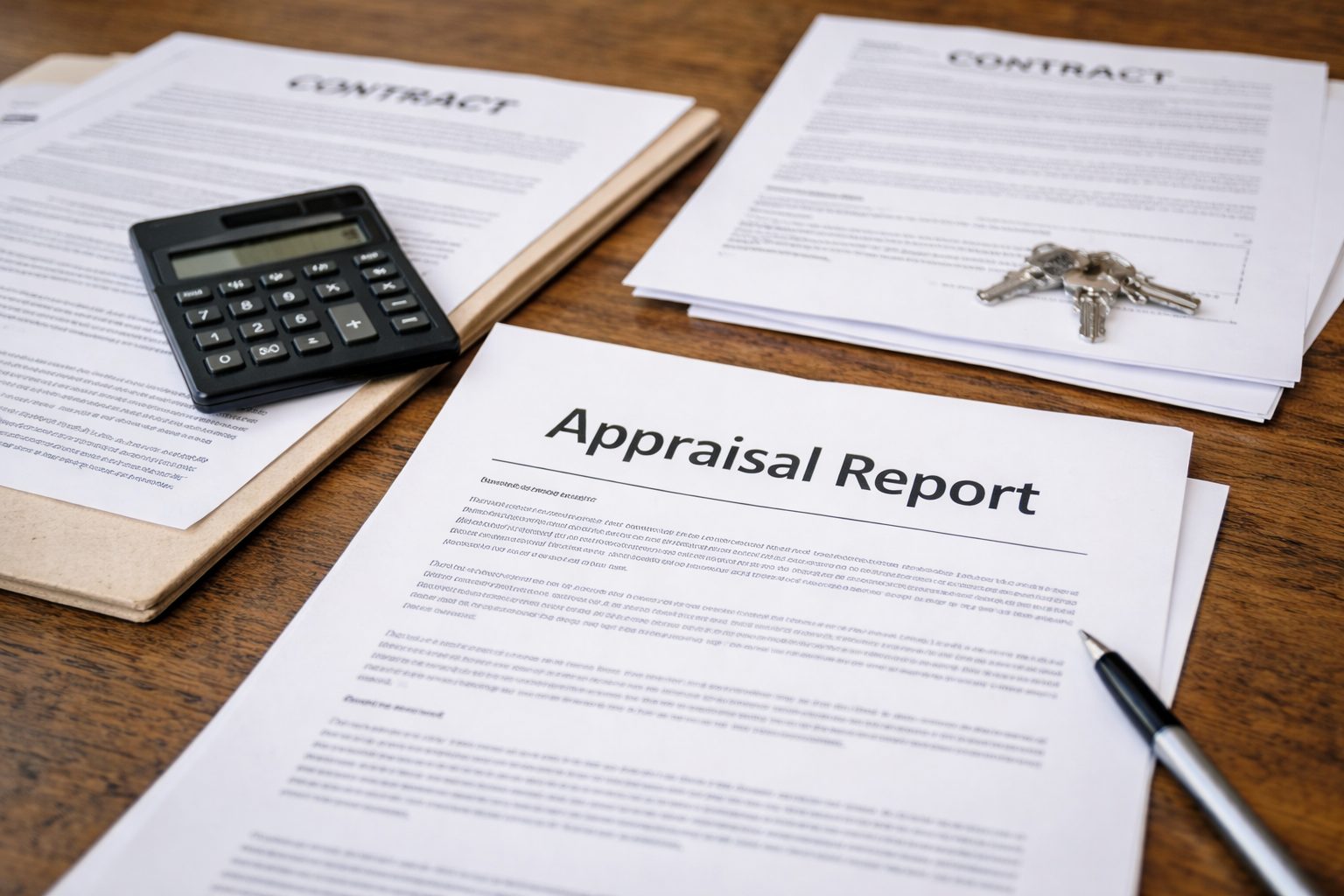
Close-up of appraisal report, contract paperwork, and calculator on a table during a Michigan home purchase

Appraisal and contract documents reviewed during the under contract phase of a Michigan home transaction.

There are several possible paths forward.

1. The Seller Reduces the Price

The seller may agree to lower the purchase price to match the appraised value.

This keeps financing aligned and allows the transaction to move forward without additional cash from the buyer.

Whether a seller agrees often depends on:
• Current market conditions
• Strength of backup interest
• Overall contract terms

There is no automatic rule. It is situational.

2. The Buyer Covers the Gap

The buyer can choose to bring additional cash to closing to make up the difference.

Using the earlier example:
Purchase price: $400,000
Appraised value: $380,000
Difference: $20,000

If the buyer still wants the home and has the funds available, they can contribute that $20,000 in addition to their down payment and closing costs.

This option is more common in competitive markets, but it is entirely dependent on the buyer’s financial comfort level.

3. A Price Compromise

Sometimes both parties meet in the middle.

For example:
Appraisal shortfall: $20,000
Seller reduces price by $10,000
Buyer brings $10,000

This balanced approach can keep both sides engaged without either absorbing the entire gap.

4. Appraisal Reconsideration

In some cases, a buyer’s agent may request a reconsideration of value if there are factual errors or stronger comparable sales that were not considered.

This is not a negotiation with the appraiser. It is a documented review request through the lender. Outcomes vary and should not be assumed.

5. Contract Cancellation

If the agreement includes an appraisal contingency, and the parties cannot reach a resolution, the buyer may have the option to terminate the contract within the contingency timeframe. Those protections are typically defined in the financing contingency language, which I explain further in financing contingencies in Michigan and what they protect buyers and sellers from.

This is why understanding contingency deadlines in Michigan purchase agreements is critical.

Each contract is specific. Terms and timelines matter.

Does a Low Appraisal Mean the Home Is Overpriced?

Not necessarily.

An appraisal reflects a specific moment in time and relies heavily on recent comparable sales. In shifting markets, there can be a gap between buyer demand and closed sale data.

Appraisers are required to follow uniform standards and cannot “hit” a number simply because it matches the contract price.

A low appraisal is a valuation difference, not a judgment about the property.

How I Help Clients Navigate This

When an appraisal comes in low, the goal is clarity.

We review:
• The appraisal report
• Comparable sales used
• Contract contingency timelines
• Financial implications of each option

Then we look at the broader picture of the transaction. If timing shifts because of valuation issues, it also helps to understand what to expect on closing day in Michigan and how it works. Sometimes the cleanest path forward is obvious. Other times it requires calm negotiation.

This is one of those moments where steady guidance matters. The process is structured, but the decisions are personal.

Related Reading

Final Thoughts

An appraisal coming in low can feel like a setback, but it is a defined step within the Michigan real estate process.

There are options. The right path depends on the contract, the market context, and the comfort level of both parties.

If you are under contract and facing an appraisal question, or you simply want to understand how this could affect your buying or selling plans, I am always happy to talk it through in a clear, practical way.