Facebook
 X
X
 Pinterest
 Copy Link

If you currently own a home in Michigan and are planning your next move, one of the most important decisions you will face is this:
Should I sell my current home before buying my next one?
This question comes up constantly with move up sellers across Southeast Michigan, from Northville and Novi to Plymouth, Canton, Ann Arbor, and surrounding communities.
There is no one size fits all answer. The right structure depends on your equity, financing position, timeline flexibility, and how the local market is behaving in your price range.
Here is how I walk sellers through it in real life.
Selling Before You Buy in Michigan
Many homeowners choose to sell first because it creates financial clarity.
When you sell before buying:
• You know exactly how much equity you have available
• You avoid the risk of carrying two mortgage payments
• Your purchase offer is typically stronger without a home sale contingency
In competitive areas of Southeast Michigan, especially in price ranges with limited inventory, sellers often prefer offers that are not contingent on another home selling. Removing that contingency can make a meaningful difference when multiple offers are involved.
The tradeoff is timing.
If your home sells quickly, you may need temporary housing before your next purchase closes. That could involve negotiating a short term occupancy agreement after closing, securing a short term rental, or coordinating flexible closing dates.
This option often works well for homeowners who value financial certainty and want to minimize risk.
Buying Before You Sell in Michigan
Some homeowners prefer to secure their next home before listing their current one.
When you buy first:
• You eliminate the need for temporary housing
• You move once instead of twice
• You avoid feeling rushed after your home sells
The main factor here is financing.
In most cases, your lender will need to qualify you to carry both properties at the same time unless you have significant cash reserves or structured financing differently. That means planning for the possibility of two mortgage payments, even if only for a short period.
There is also market timing to consider. If your current home takes longer to sell than expected, you may carry dual payments longer than planned.
For some sellers with strong equity positions and stable financial flexibility, this structure works smoothly. For others, it creates unnecessary pressure.
This is where careful planning matters.
Home Sale Contingency in Michigan
Another option is purchasing your next home contingent on the sale of your current home.
This reduces financial risk because you are not obligated to close unless your home sells. However, in competitive markets, a home sale contingency can make your offer less attractive compared to non contingent offers.
Whether this strategy works depends heavily on:
• Inventory levels in your target area
• Your price range
• How strong your current home appears in the market
In some segments of Southeast Michigan, this is manageable. In others, it can limit negotiating power.
Bridge Loans and Extended Occupancy
There are also structured solutions that sometimes help sellers balance both transactions.
Bridge financing
Some lenders offer short term loans that allow you to access equity before your home closes. Terms vary, and not every situation qualifies, so a detailed conversation with a lender is essential.
Extended occupancy after closing
In certain cases, sellers negotiate to remain in the home for a short period after closing. This can create breathing room between selling and buying. These agreements must be structured carefully and agreed upon by both parties.
These strategies require coordination between your agent, lender, and the other side of the transaction. Details matter.
What Matters in Southeast Michigan Right Now
In markets like Novi, Northville, Canton, Ann Arbor, and parts of Oakland and Washtenaw County, behavior can vary by neighborhood and price point.
A home priced around $350,000 may move differently than a home priced above $700,000. Inventory levels, seasonality, and buyer demand all play a role.
That is why this decision should be based on:
• A realistic pricing analysis of your current home
• Days on market trends in your specific area
• Your available equity
• Your lender’s qualification scenarios
• Your personal comfort level with risk
It should not be based on headlines or assumptions.
How I Help Clients Decide
When sellers ask whether they should sell before buying in Michigan, we usually walk through three practical steps:
-
Prepare a detailed comparative market analysis to understand likely pricing and timeline for your current home.
-
Coordinate with a lender to model multiple financing scenarios.
-
Map out conservative and optimistic timelines so you can see potential gaps before they happen.
Once we put numbers and timelines to paper, the right structure usually becomes much clearer.
This is less about predicting the market and more about building a strategy around your specific situation.
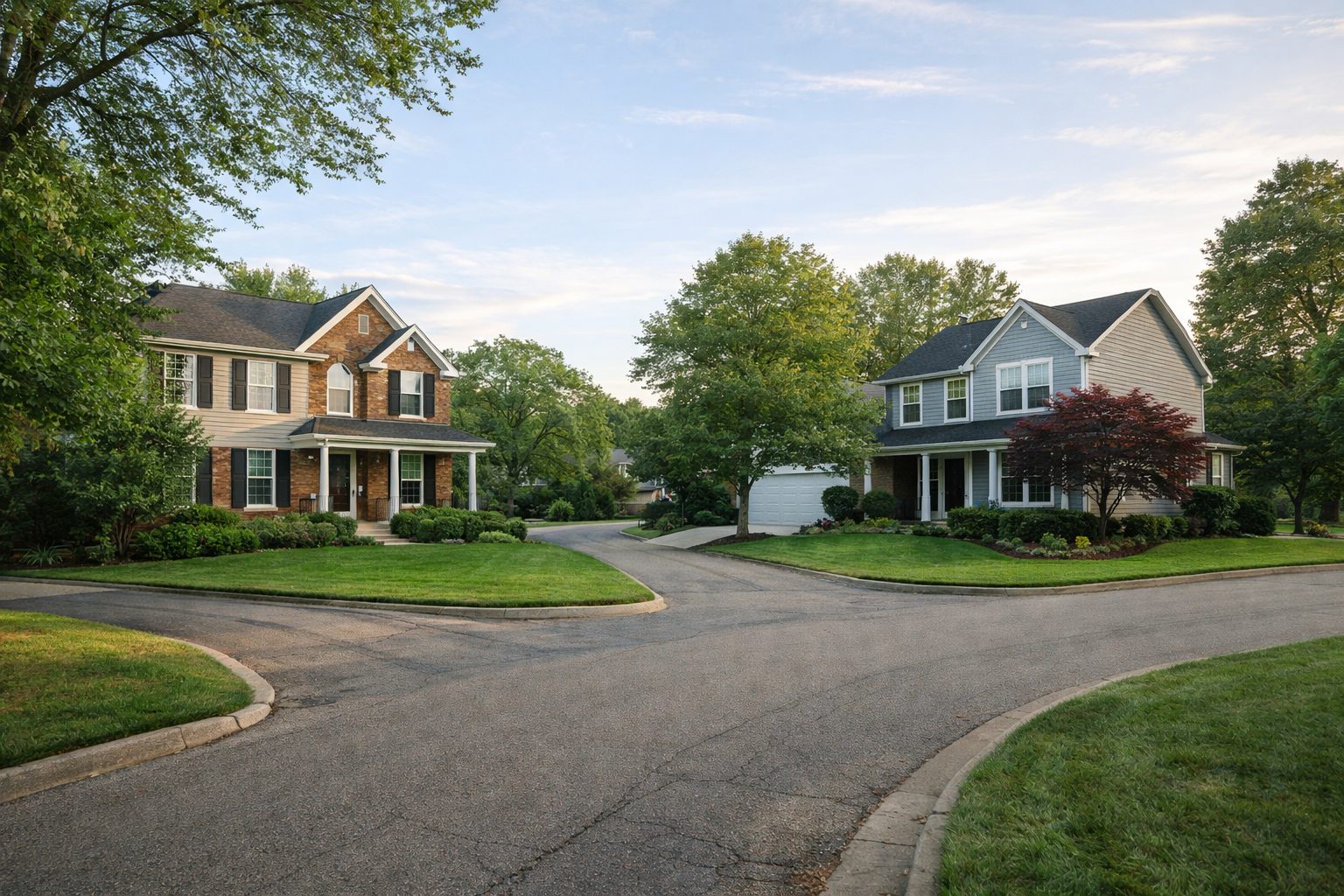
Choosing whether to sell before buying in Michigan often comes down to timing, financing, and comfort with risk.
Final Thoughts
Selling and buying at the same time in Michigan can feel complex, but it becomes manageable with a clear plan.
There is no universal right answer. There is only the structure that protects your finances, fits your timeline, and aligns with your comfort level.
If you are weighing whether to sell before you buy, I am happy to sit down and walk through your numbers and the local market conditions in your area. A thoughtful plan on the front end usually makes the entire transition feel much more stable.
If you ever want to talk through how this applies to your situation, I am here to help.