Home Buying Process February 7, 2026

Northville vs Plymouth: What Buyers Often Compare When Choosing Between These Areas

Buyers who narrow their search to Northville and Plymouth are usually past the early browsing phase. For buyers moving from research into real decisions, this overview of first-time home buying in Southeast Michigan and what to expect at each step can help frame the bigger picture. They have done research, toured homes, and are now trying to decide which place fits how they actually live.

On paper, these two communities can look very similar. In practice, they feel different in ways that matter once buyers imagine day to day life there. This comparison reflects the real questions and trade-offs buyers tend to weigh when choosing between them.

Overall pace and day to day feel

One of the first things buyers notice is not the homes themselves, but the rhythm of the area during an average week.

Northville tends to feel quieter and more contained. Streets are calmer, evenings feel settled, and there is a stronger sense of separation from activity. Buyers who value routine, privacy, and a slower pace often feel comfortable here very quickly.

Plymouth feels more active throughout the week. There is more movement near downtown, more visible community activity, and a stronger sense of shared space. Buyers who like energy, walkability, and being around people often connect with Plymouth early on.

Many buyers come in confident about which pace they prefer, and then second-guess that assumption after spending real time in both. That is very common.

Downtown use and lifestyle patterns

Buyers rarely choose based on which downtown is more charming. Both are. What matters is how they expect to use it.

Northville’s downtown tends to support the lifestyle rather than define it. Buyers often picture it as a place for relaxed dinners, quiet walks, or meeting friends without crowds. It feels polished and calm.

Plymouth’s downtown is more central to daily routines. Kellogg Park, restaurants, and regular events create reasons to be there often. Buyers who imagine walking downtown multiple times a week usually feel drawn to Plymouth.

Neither approach is better. The question buyers end up answering is how integrated downtown living is to their everyday life.

Quiet residential neighborhood scene representing the lifestyle buyers consider when choosing between Northville and Plymouth Michigan

Many buyers decide between Northville and Plymouth based on how the neighborhood feels day to day, not just the home itself.

Housing stock and lot expectations

Once buyers start touring homes, differences in housing and lot size become clearer.

Northville generally offers larger lots, deeper setbacks, and more separation between homes. Buyers often see a mix of historic properties and newer builds, with an emphasis on space and privacy.

Plymouth typically has smaller lots, especially closer to downtown, and a higher concentration of older homes with varied layouts. Buyers often like the character and neighborhood feel, even when homes require updates over time.

This comparison often comes down to space versus proximity, and yard size versus walkability.

Pricing patterns and value perception

Most buyers are not looking for the cheapest option. They are looking for alignment between price and priorities.

Northville homes often command higher prices, particularly for newer construction or larger properties. Buyers usually expect that and view it as a trade-off for space, quiet, or long-term plans.

Plymouth can feel more approachable at entry and mid-range price points. Some buyers feel they get more lifestyle value if location and community activity matter more than lot size.

Very few buyers are surprised by these patterns. They are deciding which trade-offs feel worth it to them. In competitive moments, those trade-offs can become more pronounced, which I explain further in multiple offer situations in Michigan and how buyers prepare.

Schools and long-term planning

Both areas are known for strong schools, which is why buyers compare them in the first place. The deciding factor is often not quality, but longevity.

Buyers ask questions like:

  • Will this home still work if our needs change?

  • Are there options nearby if we want to move within the same community later?

  • Does this area support how we see our life evolving?

Northville often appeals to buyers planning to stay put longer. Plymouth often attracts buyers who value flexibility and lifestyle now, with openness to change later.

How buyers typically decide

Most buyers do not decide based on a checklist. They decide based on fit.

Northville tends to resonate with buyers who prioritize space, privacy, and a quieter pace.
Plymouth tends to resonate with buyers who value walkability, activity, and community connection.

Many buyers tour both, revisit their assumptions, and only gain clarity after seeing neighborhoods at different times of day. Market timing can also influence how quickly decisions feel urgent, which is why I wrote about why timing can feel different in Michigan real estate. That process is normal and often necessary.

Related Reading

Final thoughts

Northville and Plymouth look similar from a distance. Up close, they serve different lifestyles.

The right choice usually becomes clear when buyers stop asking which area is better and start asking which one supports how they actually live. Once a decision is made and an offer is accepted, understanding what happens after an offer is accepted in Michigan can help buyers move forward confidently.

If you are actively deciding between Northville and Plymouth and want to talk through how your priorities line up with each area, I am always happy to help.


Home Buying Process February 7, 2026

Buying a Home in Michigan: Common Misconceptions Buyers Have

Buying a home is exciting, but it’s also one of those processes where misinformation can sneak in fast. Many buyers come into the market with assumptions that feel logical, but don’t always match how things actually work in Michigan.

Clearing these up early can save time, stress, and sometimes real money. Let’s walk through some of the most common misconceptions I see, and what buyers should know instead.

Misconception 1: You need twenty percent down to buy a home

This comes up in almost every buyer conversation.

While a larger down payment can be helpful, many buyers in Michigan purchase with far less. There are a range of loan programs available, and the right option depends on your full financial picture, not just a single percentage. Income, debt, credit history, and comfort level all play a role.

The goal is not to hit an arbitrary number. It is to choose a path that feels stable and realistic for you.

Misconception 2: The list price reflects the true value of the home

The list price is a strategy, not a verdict.

In Michigan, pricing varies widely based on location, season, and market conditions. Some homes are priced conservatively to generate strong interest. Others are priced optimistically and adjust over time. True market value is shaped by recent comparable sales, condition, and how buyers respond once the home is live.

Understanding that difference helps buyers avoid emotional reactions to list prices alone.

Misconception 3: You should always offer below asking price

There is no universal rule that applies in every situation.

In some Michigan markets, offering below asking can be reasonable. In others, especially well priced homes in desirable areas, a stronger offer may be necessary to compete. Offer strategy should be based on data, timing, and terms, not just habit or internet advice.

Price is important, but so is how the offer comes together as a whole.

Misconception 4: The inspection is meant to fix everything

A home inspection is a tool for understanding, not perfection.

Inspectors focus on safety, structure, and major systems. In Michigan, where homes experience long winters and seasonal wear, inspections often highlight maintenance realities rather than deal breaking issues. The purpose is to help buyers make informed decisions and plan appropriately, not to expect a flawless home.

Knowing what is normal versus what is concerning makes a big difference.

Misconception 5: Newer homes do not have issues

Age does not equal condition.

Newer homes can still have construction or drainage issues, while older homes may be well maintained and thoughtfully updated. Each property needs to be evaluated individually. Inspections and due diligence matter regardless of how new the home appears.

Misconception 6: Closing dates are flexible and informal

Timelines in Michigan transactions are more structured than many buyers expect.

Once under contract, there are specific deadlines tied to financing, inspections, appraisal, and title work. Delays can affect rate locks, moving plans, and even whether the transaction stays on track. Understanding the process early helps buyers avoid unnecessary stress near closing.

Misconception 7: Asking questions makes you look inexperienced

Buying a home is complex. Questions are expected.

Clear communication helps prevent misunderstandings and costly mistakes. Buyers who ask questions tend to feel more confident and prepared throughout the process. A good experience comes from understanding what is happening at each step, not from pretending to already know everything.

Misconception 8: An agent’s role is mostly showing homes

Showing homes is only one small part of the job.

Guidance around pricing, offer structure, inspections, appraisals, timelines, and negotiations plays a major role in how smoothly a transaction goes. Local knowledge matters, especially when navigating Michigan specific norms and expectations.

Final Thoughts

Most home buying stress comes from surprises, not the process itself. Clearing up these misconceptions early helps buyers move forward with clearer expectations and fewer “I didn’t know that” moments.

If you’re thinking about buying and want to talk through what’s real, what’s flexible, and what actually matters in today’s Michigan market, I’m always happy to help.

Home Selling February 3, 2026

Closing Day in Michigan: What to Expect and How It Works

Closing day is an exciting milestone. After weeks of preparation, decisions, and paperwork, ownership officially transfers from seller to buyer. In Michigan, this final step is usually smooth, well organized, and far more straightforward than many people expect.

While it is natural to feel a mix of excitement and focus, most Michigan closings are calm and efficient. When you understand the process ahead of time, closing day often feels less stressful and more like a clear finish line.

If you want a step-by-step overview of what typically happens between acceptance and this final stage, here is what happens after an offer is accepted in Michigan.

What Closing Day Means in Michigan

In Michigan, closing is the legal completion of the sale. This is when the deed is transferred, funds are distributed, and the transaction is recorded with the county.

Most closings are handled by a title company rather than attorneys sitting around a conference table. The process is structured and procedural, and when everything has been prepared properly in advance, it tends to move smoothly.

Where and How Closings Typically Take Place

Closings usually occur at a title company office. Buyers and sellers often sign separately rather than together, which is very common in Michigan.

You may see one of these formats:

• Buyer and seller sign at different times
• One party signs in person and the other signs remotely
• Documents are signed on different days

The exact setup depends on lender requirements, title company practices, and scheduling. None of these formats indicate an issue with the transaction.

What Buyers Should Expect on Closing Day

Buyers usually sign the largest number of documents, most of which relate to the loan and final settlement details.

By this point, financing approvals and contingency deadlines should already be resolved. If you want a clearer explanation of how those protections work earlier in the transaction, here is financing contingencies in Michigan and what they protect buyers and sellers from.

Buyers typically review and sign:

• Loan documents
• Mortgage and note
• Closing Disclosure
• Settlement statement

Bring a valid government issued photo ID. Any remaining funds to close are usually wired to the title company in advance. Buyers should always confirm wire instructions directly with the title company using a verified phone number.

Once documents are signed and funds are received, the title company records the deed. Keys are released after recording, which may be later the same day or shortly after.

Real estate agent handing house keys to a buyer at a Michigan closing table

Keys are released after the deed is recorded, marking the official transfer of ownership on closing day.

What Sellers Should Expect on Closing Day

Sellers sign fewer documents and usually complete their portion more quickly.

Sellers typically review and sign:

• Deed transfer documents
• Settlement statement
• Mortgage payoff authorization

After recording, sale proceeds are usually wired the same day or the next business day, depending on lender timing and bank processing.

How Long Closings Usually Take

Most Michigan closings take about 30 to 60 minutes per party.

Delays are uncommon but can occur if lender funding arrives late or if a document requires correction. I explain the most common causes in more detail here: what can delay a closing in Michigan and how it’s typically handled. For this reason, closings are often scheduled earlier in the day when possible.

Most delays are logistical, not transactional.

Common Closing Day Questions

Do buyers and sellers meet each other?
Sometimes, but often they do not. Both scenarios are normal in Michigan.

When are keys released?
After the deed is recorded. This may be the same day or later that afternoon.

Can closing be delayed at the last minute?
It is uncommon, but possible if funding or documentation issues arise. In some transactions, valuation issues earlier in the process can also affect timing, which is explained further in what happens if an appraisal comes in low in Michigan.

Do I need to bring anything besides ID?
Usually just your ID. Buyers should confirm wire details ahead of time.

How to Keep Closing Day Smooth

A few practical steps can make a meaningful difference:

• Review your Closing Disclosure before closing day
• Ask questions early rather than waiting until signing
• Avoid major financial changes right before closing
• Confirm wire instructions verbally with the title company

Most stress around closing day comes from uncertainty, not from the process itself.

Related Reading

Final Thoughts

Closing day in Michigan is typically straightforward when expectations are clear and preparation is done ahead of time. Many clients are surprised by how calm it feels once they arrive.

If you ever want to talk through what closing day might look like in your specific situation, I am always happy to walk you through it.

Home Selling January 30, 2026

Selling a Home in Michigan: What to Expect at Each Step

Selling a home often feels more complex than people expect. There are timelines, pricing decisions, showings, negotiations, inspections, and moving parts that are not always obvious at the beginning.

This guide walks through the Michigan home selling process step by step so you know what typically happens, when decisions matter most, and where sellers often get caught off guard. The goal is not to oversimplify the process, but to help you move through it with clarity and confidence.

Step 1: Preparing Your Home to Sell

Before a home goes on the market, most sellers face the same question. What is worth doing, and what is not.

Preparation usually includes:

  • Decluttering and deep cleaning

  • Addressing obvious maintenance issues

  • Making the home easy for buyers to walk through and visualize

In Michigan, buyers pay close attention to signs of long term wear. Roof condition, basement moisture, windows, insulation, furnaces, and water heaters tend to matter more here than cosmetic upgrades alone. Our winters are hard on homes, and buyers know it.

The goal is not perfection. The goal is to remove distractions so buyers can focus on the home itself, not deferred issues they may need to budget for later. If you want a clearer explanation of how deferred maintenance affects buyer perception and negotiations, you can read more in Deferred Maintenance in Michigan: What Home Sellers Should Know.

Step 2: Pricing Your Home Strategically

Pricing is one of the most important decisions you will make, and it sets the tone for everything that follows.

Many sellers assume they can start high and adjust later. In reality, the strongest buyer interest usually happens in the first one to two weeks on the market. That early window is when your listing is new, visible, and most likely to attract serious buyers.

Some homeowners reach this stage after a previous listing did not sell, and are looking to understand where timing, pricing, or early momentum may have worked against them.

In Michigan, pricing is influenced by:

  • Recent neighborhood level sales, not just city averages

  • Seasonal demand shifts

  • Condition and layout compared to competing homes

Online estimates can be helpful as reference points, but they do not reflect how buyers are actually responding right now. Strategic pricing is about positioning your home where real buyers are willing to act.

Real estate photographer using a drone to photograph the exterior of a Michigan home being prepared for sale

Professional photography is part of preparing a Michigan home for listing and marketing.

Step 3: Listing and Marketing Your Home

Once your home is live on the market, the focus shifts to exposure and buyer response.

This stage includes:

  • Professional photography and listing details

  • MLS exposure and online distribution

  • Showings and possibly open houses

Sellers often expect immediate feedback. In reality, it can take several days before patterns emerge. Some showings come with comments, others come with silence. Both are normal.

What matters most is watching buyer behavior closely during this phase and being ready to adjust if the market gives clear signals.

Step 4: Offers and Negotiation

When an offer comes in, price is only one part of the conversation.

Strong offers are defined by:

  • Financing strength

  • Inspection and appraisal terms

  • Timelines and contingencies

In Michigan, buyer agent compensation is also part of the structure sellers should understand. This is not just about paying an agent. It affects how accessible your home is to qualified buyers and how smoothly negotiations tend to move forward.

Many owners who choose to sell on their own are comfortable up to this point, and find that inspections, appraisals, and contract timelines are where the process becomes more nuanced.

Because contracts, disclosures, and deadlines become more detailed at this stage, some owners who are selling on their own choose to have a real estate attorney review documents and timelines. Having legal guidance can help ensure terms are understood and obligations are handled correctly, even when an owner is managing the sale independently.

It is also important to know that negotiation does not end when an offer is accepted. The initial agreement sets the framework, but the transaction continues to evolve.

Home inspector reviewing an electrical panel inside a house and an appraiser evaluating the exterior condition of a home in Michigan

A home inspection and appraisal are normal steps after an offer is accepted and help guide negotiations and final pricing.

Step 5: After the Offer Is Accepted

This is where many sellers are surprised by how active the process still is.

After acceptance, sellers can expect:

  • A home inspection

  • Possible repair requests or credits

  • An appraisal ordered by the buyer’s lender

Inspection negotiations are common in Michigan, especially with older homes and winter related wear. Here is a deeper look at how inspection negotiations in Michigan and what buyers and sellers should know typically unfold. Appraisal issues can also arise if the market shifts or comparable sales do not fully support the contract price. If that happens, this guide explains what happens if an appraisal comes in low in Michigan and what options may be available.

Understanding these steps ahead of time helps sellers stay grounded and make decisions without feeling rushed or reactive.

Step 6: Closing Day in Michigan

As closing approaches, activity picks up again. If you want a more detailed walkthrough of this final stage, here is what to expect on closing day in Michigan and how it works.

This stage typically includes:

  • The buyer’s final walkthrough

  • Final paperwork handled through the title company

  • Signing documents and transferring possession

In Michigan, sellers often ask when proceeds are available. In most cases, funds are disbursed shortly after closing, depending on the transaction details and title company procedures.

Closing is the final step, but preparation earlier in the process is what makes this day feel smooth rather than stressful. When timelines shift because of inspections, financing, or appraisal concerns, you can read more about what can delay a closing in Michigan and how it’s typically handled.

Common Questions Michigan Sellers Ask

How long does it usually take to sell a home?
This depends on pricing, condition, location, and market conditions. Well priced homes often attract serious buyers early.

Do I have to make every repair requested?
No. Repair requests are part of negotiation. Sellers have options, including credits, partial repairs, or declining certain items.

What if the appraisal comes in low?
There are several ways to respond, depending on buyer flexibility and financing. This is one of the most important moments for calm, informed negotiation.

Should I sell before I buy another home?
This is a personal decision that depends on finances, timing, and comfort with risk. There is no one size fits all answer.

Related Reading

Final Thoughts

Selling a home is not just about putting a sign in the yard. It is a sequence of decisions that build on each other. Knowing what comes next helps you stay in control of the process rather than reacting to it.

If you ever want to talk through how this applies to your situation, I am happy to help.

Home Buying Process January 28, 2026

Appraisal vs Inspection in Michigan: What Buyers Should Know

Once an offer is accepted, many Michigan buyers start hearing new terms very quickly. Two of the most common are appraisal and inspection. They often happen around the same time, and both involve someone visiting the property. Because of that, it is easy to assume they serve the same purpose.

They do not.

In Michigan, inspections and appraisals protect different interests and answer very different questions. Knowing the difference helps buyers feel more confident and avoid unnecessary stress as the process moves forward.

What a Home Inspection Is and Why It Matters

A home inspection is for the buyer.

After your offer is accepted, you typically hire a licensed home inspector to evaluate the physical condition of the property. This happens during the inspection contingency period outlined in your Michigan purchase agreement.

If you want a more detailed walkthrough of that stage, here is a guide to the Michigan home inspection process and what buyers should expect.

A standard inspection usually covers:

  • Roof, structure, and foundation

  • Electrical, plumbing, and HVAC systems

  • Windows, doors, and insulation

  • Signs of water intrusion, moisture, or safety concerns

The inspector provides a detailed report so you can understand the condition of the home before fully committing. This is not about finding a perfect house. It is about understanding what you are buying.

If concerns come up, buyers may request repairs, ask for credits, renegotiate certain terms, or decide to move forward as-is. The inspection gives you information so you can make thoughtful decisions based on facts rather than surprises.

What an Appraisal Is and Why Lenders Require It

An appraisal is for the lender.

If you are using a mortgage, your lender orders an appraisal to confirm that the home’s value supports the loan amount. The appraiser is a neutral third party who evaluates the property and compares it to recent similar sales in the area.

In Michigan, appraisals often take place after inspections, though timelines can overlap depending on market conditions and lender requirements.

The appraisal answers one key question. Is the home worth the price agreed upon in the purchase contract? These protections are typically outlined in the financing contingency, which I explain further in financing contingencies in Michigan and what they protect buyers and sellers from.

Home inspection and appraisal happening at the same time, with an inspector reviewing systems inside a home and an appraiser measuring the exterior

A home inspection and an appraisal serve different purposes, even though both involve evaluating the property.

The Key Differences Buyers Should Know

Although both involve a professional visiting the home, their roles are very different.

  • An inspection focuses on condition and potential issues

  • An appraisal focuses on market value

  • The inspection is ordered and paid for by the buyer

  • The appraisal is ordered by the lender and typically paid for by the buyer

  • Inspection results guide buyer decisions and negotiations

  • Appraisal results guide loan approval

Understanding this distinction helps buyers avoid confusion if one step raises concerns while the other does not.

What Happens If the Inspection Reveals Issues

Inspection findings do not automatically mean a deal is in trouble.

Many Michigan homes, especially older homes, will show normal wear, deferred maintenance, or systems nearing the end of their useful life. The goal of the inspection is clarity, not perfection.

Depending on the contract terms and the nature of the findings, buyers may request repairs, ask for a credit, adjust the purchase price, or choose to proceed with full awareness of future maintenance needs.

Each situation is different, which is why having a clear process and guidance matters.

What Happens If the Appraisal Comes in Low

A low appraisal means the appraised value is lower than the agreed purchase price.

When this happens, there are typically a few options:

  • The buyer and seller renegotiate the price

  • The buyer brings additional funds to closing

  • The seller challenges the appraisal in limited cases

  • The buyer and seller agree to terminate the contract

How this plays out depends on the contract language, financing terms, and the specific circumstances of the transaction. I explain those next steps in more detail here: what happens if an appraisal comes in low in Michigan.

Why This Is Especially Relevant in Michigan

Michigan’s housing market can vary significantly by area, property type, and season. Appraisals may look very different for older neighborhoods, newer developments, waterfront properties, or rural homes.

Inspections also tend to reflect Michigan-specific realities such as basements, drainage, roof wear from snow load, and long-term effects of winter conditions.

Understanding how inspections and appraisals work together helps buyers stay grounded and make decisions with confidence.

Related Reading

Final Thoughts

Inspections and appraisals are both important steps, but they serve different purposes.

One helps you understand the home itself.
The other helps the lender confirm the value.

When buyers understand what each step does and does not do, the process feels more manageable and far less intimidating.

If you ever want to talk through how an inspection or appraisal might apply to your specific situation, I am always happy to walk through it with you.

Home Selling January 27, 2026

Deferred Maintenance in Michigan What Home Sellers Should Know

If you are thinking about selling a home in Michigan, the term deferred maintenance may come up early in the conversation. It often sounds more serious than it needs to be. In simple terms, deferred maintenance refers to routine repairs or upkeep that were postponed over time.

This is extremely common, especially in homes that have been lived in and cared for over many years. Deferred maintenance does not mean you did anything wrong as a homeowner. What matters is understanding how buyers see it and how it can affect the selling process so you can make informed decisions before listing. If you want a broader overview of how preparation fits into the full timeline, you can read Selling a Home in Michigan: What to Expect at Each Step.

This guide is meant to give you clarity and help you avoid surprises.

What Deferred Maintenance Means in Real Life

Deferred maintenance usually shows up as items that still function but clearly show age or wear. These are not emergencies. They are areas where maintenance was delayed long enough to become noticeable to buyers or inspectors.

Common examples in Michigan homes include:

  • Roofs approaching the end of their useful life

  • Older furnaces, boilers, or air conditioning systems

  • Exterior paint or wood trim affected by moisture

  • Minor plumbing leaks that were never fully repaired

  • Cracked concrete, loose railings, or sticking doors

These conditions are especially common in older housing stock and long term ownership situations. Buyers generally understand this. What they respond to most is whether the home appears consistently cared for.

How Buyers Tend to Read Deferred Maintenance

Buyers rarely look at deferred maintenance item by item. Instead, they form an overall impression of the home.

When several small issues appear, buyers may begin to wonder whether other concerns exist beneath the surface. Even manageable repairs can create hesitation if they feel stacked together.

In Michigan, this often comes into focus during the inspection period. If you want to understand what buyers typically review during that stage, here is a guide to the Michigan home inspection process and what buyers should expect. Buyers decide whether they feel confident moving forward or whether they need protection through credits, repairs, or price adjustments.

The condition itself is often less important than the uncertainty it creates.

How Deferred Maintenance Can Affect Price and Negotiation

Deferred maintenance typically shows up in one or more of these ways:

  • Buyers factor expected repairs into their offer price

In some cases, condition can also influence valuation outcomes, which I explain further in what happens if an appraisal comes in low in Michigan.

  • Inspection negotiations become more detailed

Here is a closer look at how inspection negotiations in Michigan and what buyers and sellers should know typically unfold.

  • The home takes longer to sell due to hesitation or comparison

In many cases, addressing a few visible or functional issues before listing helps reduce friction later. In other situations, pricing realistically from the beginning is the better approach. There is no single answer. The right strategy depends on the home, the market, and your goals.

What Is Often Worth Addressing Before You List

The goal is not perfection. The goal is confidence.

Repairs that often make sense before listing include:

  • Active water leaks or signs of ongoing moisture

  • Safety related concerns such as steps, railings, or electrical issues

  • Mechanical or electrical items likely to be flagged immediately

  • Exterior issues that strongly affect first impressions

Items that are often reasonable to leave as is include:

  • Older systems that are functioning properly

  • Cosmetic wear that aligns with the home’s age

  • Large upgrades that do not significantly change buyer perception

A thoughtful pre listing walkthrough can help separate what truly matters from what is unlikely to impact your sale.

Your Main Options When Selling With Deferred Maintenance

Most sellers choose one of three approaches:

  1. Address key concerns before listing to strengthen buyer confidence

  2. Price the home with condition clearly in mind and sell as is

  3. Combine selective repairs with transparency and realistic pricing

All three paths can work when expectations are aligned from the start. Challenges tend to arise when condition and pricing do not match.

Michigan Specific Factors Buyers Pay Close Attention To

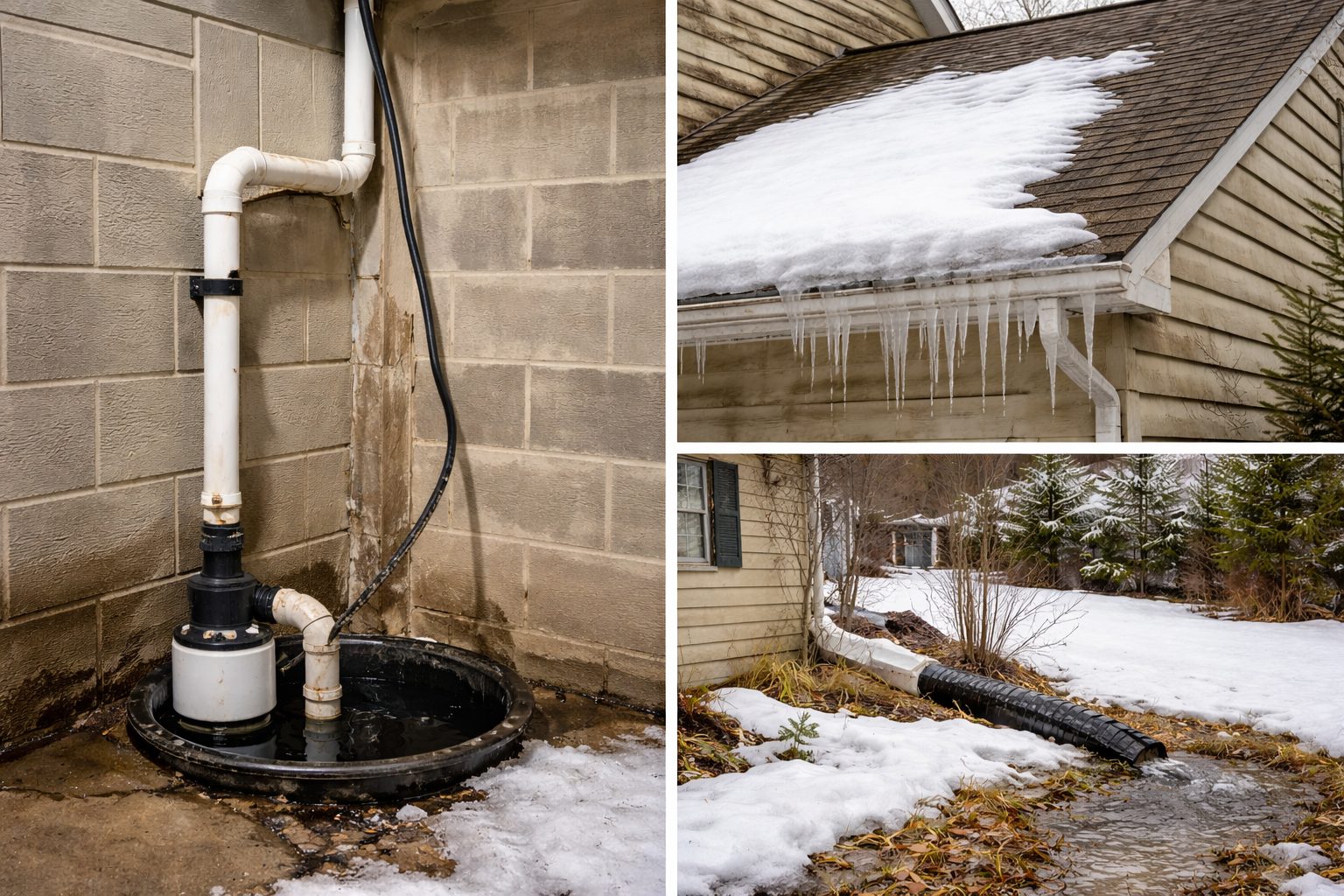
Michigan home showing ice dams on roof, sump pump system, and winter drainage conditions

Michigan buyers and inspectors pay close attention to roof ice buildup, sump pump performance, and winter drainage concerns.

In Michigan, deferred maintenance is often evaluated through the lens of climate and long term weather exposure. Buyers and inspectors are especially attentive to issues shaped by long winters and seasonal changes.

Common Michigan specific considerations include:

  • Roof wear related to snow load, ice dams, and repeated freeze thaw cycles

  • Gutter performance and drainage that affects fascia, soffits, or interior ceilings

  • Sump pump condition and discharge setup, especially after snowmelt

  • Hairline foundation cracking from freeze thaw movement

  • Older windows with drafts, condensation, or heat loss concerns

  • Exterior grading and drainage that direct water away from the foundation

Many of these items are normal in Michigan homes. Buyers do not expect them to be absent. They want to see that they are understood, disclosed, and priced appropriately.

Related Reading

Final Thoughts

Deferred maintenance does not mean your home cannot sell or that something has gone wrong. It simply means the strategy matters.

When repairs, pricing, and expectations are aligned, transactions tend to move more smoothly and negotiations stay reasonable. If you would like to talk through how deferred maintenance may apply to your specific home or how buyers in your area are likely to respond, I am always happy to walk through it with you.

Home Buying Process January 24, 2026

The Michigan Home Inspection Process: What Buyers Should Expect

Once your offer is accepted, the home inspection becomes one of the most important steps in the Michigan home buying process. This is often the point where excitement meets reality. The inspection is meant to give you clarity, not to create fear.

For many buyers, especially first-time buyers, this phase can feel stressful. That reaction is normal. Nearly every inspection uncovers something. The goal is understanding what matters, what is routine, and how the findings affect your decision moving forward.

What a Home Inspection Is and Is Not

A home inspection is a general, visual evaluation of a property’s major systems and components. The inspector looks for visible defects, safety concerns, and signs of larger issues that may require attention.

In a standard Michigan home inspection, the inspector typically reviews:

  • Roof, gutters, siding, and exterior surfaces

  • Foundation, basement, and visible structural components

  • Electrical systems and visible wiring

  • Plumbing systems and fixtures

  • Heating and cooling systems

  • Attic, insulation, and ventilation

  • Doors, windows, and basic appliances

A home inspection is not a warranty, a code compliance review, or a promise that nothing will ever break. Buyers sometimes confuse the inspection with the appraisal, so I explain the difference here: Appraisal vs Inspection in Michigan and what buyers should know. It is also not a list of cosmetic imperfections. In Michigan, where many homes are older, some wear and deferred maintenance are expected and normal.

When the Inspection Happens in Michigan

The inspection takes place during the inspection contingency period outlined in your purchase agreement. In most Michigan contracts, this window is commonly seven to ten days after the offer is accepted, though timelines can vary.

The buyer selects and schedules the inspector. Buyers are strongly encouraged to attend the inspection. Being present allows you to see issues firsthand, ask questions as they come up, and better understand how the home functions overall.

How Long the Inspection Takes

Most home inspections last between two and four hours. Larger homes, older homes, or properties with basements and additional structures may take longer.

Inspectors usually provide the written inspection report within twenty four to forty eight hours. These reports are often detailed and photo heavy, which can feel overwhelming at first glance.

How to Read and Understand the Inspection Report

Inspection reports are written to document risk, not to judge the home. Because of that, the language can sound more alarming than the reality.

When reviewing a Michigan inspection report, buyers should focus on:

  • Safety concerns such as electrical hazards, gas issues, or active water leaks

  • Major system issues involving the roof, furnace, air conditioning, foundation, or plumbing

  • Problems that affect the home’s function, habitability, or long-term durability

Maintenance items, aging components, and cosmetic observations are common and usually part of normal homeownership. Context makes a big difference here. One of my roles is helping buyers separate everyday maintenance from issues that truly warrant negotiation or further evaluation.

Home inspector reviewing an inspection report with a buyer at a kitchen table during a Michigan home inspection

A home inspector reviews inspection findings with a buyer at the kitchen table, helping explain what matters and what comes next.

What Happens After the Inspection

After reviewing the inspection report, buyers generally have several options:

  • Move forward with the purchase as-is

  • Request repairs for specific items

  • Request a credit or price adjustment

  • Terminate the contract if major concerns cannot be resolved within the contingency period

In Michigan, inspection negotiations work best when requests are focused and reasonable. If you want a deeper look at how this stage typically unfolds, here’s a guide to inspection negotiations in Michigan and what buyers and sellers should know. Asking a seller to address every item on the report is rarely effective. A thoughtful approach protects your leverage and helps keep the transaction moving forward.

Common Buyer Concerns During the Inspection Phase

Many buyers worry that inspection findings mean the deal is falling apart. In most cases, that is not true. Inspections almost always reveal issues, even in well-maintained homes.

Common concerns include uncertainty about what matters most, fear of unexpected costs, and confusion about what is reasonable to request. In some cases, unresolved inspection items can affect timelines, which I explain further in what can delay a closing in Michigan and how it’s typically handled. These questions are part of the process, and having steady guidance can make this phase feel far more manageable.

Related Reading

Final Thoughts

The Michigan home inspection process is about informed decision making. It gives you the opportunity to understand the home you are buying and decide how the findings fit into your comfort level, budget, and long-term plans.

Most homes will have findings. What matters is how those findings affect you and how they are handled. If you ever want to walk through an inspection report or talk through what makes sense to request in your situation, I am happy to help.

Home Buying Process January 24, 2026

First-Time Home Buying in Southeast Michigan: What to Expect at Each Step

Buying your first home can feel exciting and confusing at the same time, especially if you are not sure what actually happens at each stage. Many first-time buyers do not need more opinions. They need clear steps, realistic expectations, and reassurance that what they are experiencing is normal.

This guide walks through the home buying process in Michigan from start to finish so you know what to expect and when.

Step 1: Getting Financially Ready

Before touring homes, it is important to understand your financial picture. This step often feels unclear at first, but it sets the foundation for everything that follows.

This usually includes:

  • Reviewing your credit and monthly obligations

  • Estimating a comfortable monthly payment

  • Understanding what cash is needed upfront

  • Learning about down payment options

Many first-time buyers assume they need 20 percent down. In reality, there are loan programs that allow much lower down payments, depending on qualifications. This is a very common point of confusion and one worth clearing up early.

A lender can help you understand:

  • A realistic price range

  • Estimated monthly payments

  • What funds you will need before closing

Clarity at this stage helps you move forward with confidence instead of guessing.

First-time home buyers reviewing finances and paperwork at home in Michigan

Reviewing finances and paperwork is an early step in the first-time home buying process in Michigan.

Step 2: Pre-Approval and Why It Matters in Michigan

Pre-approval and pre-qualification are often used interchangeably, but they are not the same. The difference matters once you are ready to make an offer.

A pre-approval means a lender has reviewed your financial documents and confirmed how much they are willing to lend. In Michigan, most sellers expect a pre-approval letter with any serious offer.

Pre-approval helps you:

  • Understand your true buying range

  • Move quickly when the right home becomes available

  • Strengthen your offer in competitive situations

For many buyers, this step brings relief because it replaces uncertainty with real numbers.

Step 3: Touring Homes and Adjusting Expectations

Most buyers start their search online, then tour homes in person. This is often where priorities begin to shift, and that is completely normal.

In Southeast Michigan, many homes are older, which means buyers often learn that:

  • Layout and location matter more than finishes

  • Cosmetic issues are usually fixable

  • No home will check every box

Seeing homes in person helps buyers identify true deal breakers versus preferences. This stage provides clarity that online browsing cannot.

Step 4: Writing and Submitting an Offer

When you find a home you want to move forward with, your agent will help prepare a purchase offer. In Michigan, offers commonly include:

  • Purchase price

  • Earnest money deposit

  • Inspection timeline

  • Financing and appraisal terms

  • Proposed closing date

In competitive markets, strategy matters. That does not mean rushing or stretching beyond your comfort level. It means understanding what is typical locally and deciding what makes sense for your situation.

After submission, the seller may accept, counter, or reject the offer. Some negotiation is normal.

Step 5: Inspections and Due Diligence

Once an offer is accepted, the inspection phase begins. This step often feels stressful for first-time buyers.

A licensed inspector evaluates the home’s major systems and provides a detailed report. Inspection reports almost always look long and intimidating, even on well-maintained homes. That does not automatically mean something is wrong.

Home inspector examining kitchen plumbing during a home inspection in Michigan

A home inspection helps buyers understand the condition of major systems before moving forward.

At this stage, buyers typically:

  • Review the findings and ask questions

  • Request repairs or credits when appropriate

  • Decide how comfortable they are moving forward

This step is about gathering information and protecting yourself, not finding a perfect house.

Step 6: Appraisal and Final Loan Approval

Next, the lender orders an appraisal to confirm the home’s value supports the purchase price.

If the appraisal comes in at value, the process usually moves forward smoothly. If it comes in low, that does not automatically end the deal. While it can feel stressful, there are often options to discuss depending on the situation.

During this time, your loan also goes through final underwriting, where documents are verified and conditions are cleared before closing.

Step 7: Closing Day in Michigan

Home buyers signing closing documents and receiving keys at a Michigan title company

Closing day is when buyers sign final documents and receive the keys to their new home.

Closing day is when ownership officially transfers to you. In Michigan, closings typically take place at a title company.

On closing day, you will:

  • Review and sign final documents

  • Bring required funds, usually by wire or cashier’s check

  • Receive your keys

The paperwork can feel lengthy, but this is the moment the home becomes yours.

Final Thoughts

Most first-time buyers do not gain confidence by knowing everything upfront. They gain confidence by understanding what is normal at each step and having the process explained clearly.

If you are starting to think seriously about buying, or you are unsure which step you are currently in, getting clarity early can make the entire experience feel more manageable.

If you ever want to talk through how this process applies to your situation in Michigan, I am happy to help.

Home Buying Process January 22, 2026

What Buyers Often Ask After an Offer Is Accepted in Michigan

Once an offer is accepted, many buyers feel a sense of relief. Then, almost right away, new questions start to come up. That is completely normal. Even when you understand the process in theory, it can feel different once timelines, inspections, and financing are actually in motion.

This post focuses on the questions buyers often ask during this stage and the practical context behind them, without assuming any prior experience.

If you want a step-by-step overview of the contract timeline, you can also read: What Happens After an Offer Is Accepted in Michigan.

Are we officially committed, or do we still have options?

This is often one of the first questions buyers ask after acceptance. Being under contract means both parties have agreed to move forward under specific terms, but it does not mean every outcome is locked in no matter what.

Most Michigan purchase agreements include contingencies, such as inspections, financing, and appraisal. These are built in to give buyers time to confirm that the home and the loan still make sense before reaching the finish line. Asking questions at this stage is part of being thoughtful, not hesitant.

How serious are inspection issues, really?

Home inspection report with tools on a table

Reviewing an inspection report helps buyers better understand the condition of the home.

Inspection reports can feel intimidating, especially if this is your first time buying a home. They are often detailed and may list more items than buyers expect.

In most cases, inspection findings are common and not unusual, even in well-cared-for homes. The purpose of an inspection is to help buyers understand the condition of the property so they can decide what feels reasonable to address and what they are comfortable moving forward with. It is about clarity, not perfection.

Why does everything suddenly feel so time-sensitive?

Many buyers notice that once the offer is accepted, multiple requests seem to happen all at once. This can feel overwhelming if you are not expecting it.

At this stage, several parties are working at the same time, including inspectors, lenders, appraisers, and title companies. Each step has its own timeline, and they often overlap. Responding when you can and staying in communication helps keep things moving smoothly and reduces last-minute pressure.

What happens if the appraisal does not match the purchase price?

Home appraiser taking notes outside a house

An appraisal helps confirm that the home’s value supports the purchase price and loan.

Appraisals are a common source of concern, and buyers often wonder what a lower-than-expected value might mean.

The appraisal is ordered by the lender to confirm that the property’s value supports the loan amount. If the value comes in lower than the purchase price, the purchase agreement outlines what options may be available. These can include renegotiation or other paths depending on the contract terms. An appraisal result is one part of the process, not an automatic decision on its own.

Is there anything we should avoid doing right now?

Buyer reviewing emails on a laptop at home

Buyers often review lender requests and documents while preparing for closing.

This question usually comes from buyers wanting to protect the progress they have made. During this phase, financial consistency is especially important.

Large purchases, new credit accounts, or job changes can create complications because lenders continue to verify information through closing. Staying steady and responding to lender requests as they come up can help avoid unnecessary delays.

Final Thoughts

The period after an offer is accepted often brings a mix of confidence and new questions. That balance is part of the process, and no question is too small at this stage.

Understanding what these moments usually mean can help buyers feel more comfortable and better prepared as they move toward closing.

If you ever want to talk through how this applies to your situation, I’m happy to help.

Home Buying Process January 22, 2026

What Happens After an Offer Is Accepted in Michigan

Once an offer is accepted, the transaction moves from negotiation into a contract period with specific steps and deadlines. In Michigan, this phase is guided by the terms of the purchase agreement, state law, and local practice.

Understanding what happens next helps buyers and sellers stay organized and meet important timelines. While every transaction is different, the steps below reflect what commonly occurs after an offer is accepted in Michigan.

Offer Acceptance and the First Steps

When an offer is accepted in Michigan, a legally binding purchase agreement is created once all parties have signed and the acceptance has been properly delivered.

At that point:

  • Contract timelines officially begin

  • Deadlines are calculated based on the written agreement

  • Both parties are expected to move forward in good faith under the agreed terms

Within the first day or two, agents typically distribute the fully signed contract and confirm key dates related to inspections, financing, and closing. Coordination often begins with lenders, title companies, and other parties involved.

Because timelines are contract-based, it is important to rely on the written agreement rather than assumptions or past experiences.

Earnest Money Deposit

Earnest money is a deposit made by the buyer to demonstrate intent to proceed under the contract. In Michigan, the purchase agreement outlines:

  • The amount of earnest money

  • When it must be delivered

  • Who will hold the funds, such as a broker or title company

The earnest money is typically delivered shortly after acceptance and held in an escrow account. These funds are generally applied toward the buyer’s costs at closing unless the contract is terminated under a provision that allows the buyer to recover them.

Meeting the earnest money deadline is important, as delays can create unnecessary complications.

Home Inspection Period

Most Michigan purchase agreements include an inspection contingency, although inspections are not required by law.

During the inspection period:

  • The buyer schedules inspections within the timeframe stated in the contract

  • A licensed inspector provides a written report

  • The buyer reviews the findings and decides how to proceed

Possible outcomes include:

  • Moving forward without requests

  • Requesting repairs or concessions

  • Negotiating changes to the agreement

  • Terminating the contract if permitted under the inspection contingency

Sellers are not automatically required to make repairs. Any changes must be mutually agreed upon in writing and documented properly.

If you want a clearer walkthrough of what happens during this stage, here’s my guide to the Michigan home inspection process and what buyers should expect.

Appraisal and Financing

If the buyer is obtaining a mortgage, the lender will order an appraisal as part of the loan process. The appraisal helps the lender confirm that the property’s value supports the loan amount.

In Michigan:

If the appraised value meets or exceeds the purchase price, financing typically continues as planned. If the appraisal comes in lower than the purchase price, the contract outlines what options may be available. Those options are often shaped by the financing contingency in the agreement, which outlines what protections apply if the loan cannot move forward as expected. You can read more about financing contingencies in Michigan and what they protect buyers and sellers from here. These can include renegotiation, additional buyer funds, or other outcomes depending on the agreement.

At the same time, buyers work with their lender to complete underwriting requirements, which may include document review, employment verification, and final loan approval.

Title Work, Final Walk-Through, and Closing

While inspections and financing are underway, the title company conducts a title search to confirm:

  • Legal ownership of the property

  • Any existing liens or encumbrances

  • That the property can be transferred as agreed

Before closing, buyers typically complete a final walk-through. This allows buyers to confirm that:

  • The property is in the agreed condition

  • Any negotiated repairs have been completed

  • No unexpected changes have occurred

Closing usually takes place at a title company or designated closing location. If you want a more detailed breakdown of what happens at this stage, here’s an overview of what to expect on closing day in Michigan and how it works. Documents are signed, funds are transferred, and ownership is recorded. In many Michigan transactions, keys are provided once the transaction has officially closed and recorded, unless the contract states otherwise.

Final Thoughts

After an offer is accepted, the process becomes more structured and deadline-driven. While much of this work happens behind the scenes, each step plays an important role in moving from acceptance to closing.

Because every transaction is unique, timelines and outcomes can vary based on contract terms, financing, and property-specific factors.

Related Reading

Read What Buyers Often Ask Next

After an offer is accepted, many buyers find that new questions come up as the process moves forward.

In the next post, I’ll cover common questions buyers often ask after their offer is accepted in Michigan. You can read it here: What Buyers Often Ask After an Offer Is Accepted in Michigan.

If you ever want to talk through how this applies to your situation, I’m happy to help.