Home Buying Process • January 22, 2026

What Buyers Often Ask After an Offer Is Accepted in Michigan

Once an offer is accepted, many buyers feel a sense of relief. Then, almost right away, new questions start to come up. That is completely normal. Even when you understand the process in theory, it can feel different once timelines, inspections, and financing are actually in motion.

This post focuses on the questions buyers often ask during this stage and the practical context behind them, without assuming any prior experience.

If you want a step-by-step overview of the contract timeline, you can also read: What Happens After an Offer Is Accepted in Michigan.

Are we officially committed, or do we still have options?

This is often one of the first questions buyers ask after acceptance. Being under contract means both parties have agreed to move forward under specific terms, but it does not mean every outcome is locked in no matter what.

Most Michigan purchase agreements include contingencies, such as inspections, financing, and appraisal. These are built in to give buyers time to confirm that the home and the loan still make sense before reaching the finish line. Asking questions at this stage is part of being thoughtful, not hesitant.

How serious are inspection issues, really?

Home inspection report with tools on a table

Reviewing an inspection report helps buyers better understand the condition of the home.

Inspection reports can feel intimidating, especially if this is your first time buying a home. They are often detailed and may list more items than buyers expect.

In most cases, inspection findings are common and not unusual, even in well-cared-for homes. The purpose of an inspection is to help buyers understand the condition of the property so they can decide what feels reasonable to address and what they are comfortable moving forward with. It is about clarity, not perfection.

Why does everything suddenly feel so time-sensitive?

Many buyers notice that once the offer is accepted, multiple requests seem to happen all at once. This can feel overwhelming if you are not expecting it.

At this stage, several parties are working at the same time, including inspectors, lenders, appraisers, and title companies. Each step has its own timeline, and they often overlap. Responding when you can and staying in communication helps keep things moving smoothly and reduces last-minute pressure.

What happens if the appraisal does not match the purchase price?

Home appraiser taking notes outside a house

An appraisal helps confirm that the home’s value supports the purchase price and loan.

Appraisals are a common source of concern, and buyers often wonder what a lower-than-expected value might mean.

The appraisal is ordered by the lender to confirm that the property’s value supports the loan amount. If the value comes in lower than the purchase price, the purchase agreement outlines what options may be available. These can include renegotiation or other paths depending on the contract terms. An appraisal result is one part of the process, not an automatic decision on its own.

Is there anything we should avoid doing right now?

Buyer reviewing emails on a laptop at home

Buyers often review lender requests and documents while preparing for closing.

This question usually comes from buyers wanting to protect the progress they have made. During this phase, financial consistency is especially important.

Large purchases, new credit accounts, or job changes can create complications because lenders continue to verify information through closing. Staying steady and responding to lender requests as they come up can help avoid unnecessary delays.

Final Thoughts

The period after an offer is accepted often brings a mix of confidence and new questions. That balance is part of the process, and no question is too small at this stage.

Understanding what these moments usually mean can help buyers feel more comfortable and better prepared as they move toward closing.

If you ever want to talk through how this applies to your situation, I’m happy to help.

Home Buying Process • January 22, 2026

What Happens After an Offer Is Accepted in Michigan

Once an offer is accepted, the transaction moves from negotiation into a contract period with specific steps and deadlines. In Michigan, this phase is guided by the terms of the purchase agreement, state law, and local practice.

Understanding what happens next helps buyers and sellers stay organized and meet important timelines. While every transaction is different, the steps below reflect what commonly occurs after an offer is accepted in Michigan.

Offer Acceptance and the First Steps

When an offer is accepted in Michigan, a legally binding purchase agreement is created once all parties have signed and the acceptance has been properly delivered.

At that point:

  • Contract timelines officially begin

  • Deadlines are calculated based on the written agreement

  • Both parties are expected to move forward in good faith under the agreed terms

Within the first day or two, agents typically distribute the fully signed contract and confirm key dates related to inspections, financing, and closing. Coordination often begins with lenders, title companies, and other parties involved.

Because timelines are contract-based, it is important to rely on the written agreement rather than assumptions or past experiences.

Earnest Money Deposit

Earnest money is a deposit made by the buyer to demonstrate intent to proceed under the contract. In Michigan, the purchase agreement outlines:

  • The amount of earnest money

  • When it must be delivered

  • Who will hold the funds, such as a broker or title company

The earnest money is typically delivered shortly after acceptance and held in an escrow account. These funds are generally applied toward the buyer’s costs at closing unless the contract is terminated under a provision that allows the buyer to recover them.

Meeting the earnest money deadline is important, as delays can create unnecessary complications.

Home Inspection Period

Most Michigan purchase agreements include an inspection contingency, although inspections are not required by law.

During the inspection period:

  • The buyer schedules inspections within the timeframe stated in the contract

  • A licensed inspector provides a written report

  • The buyer reviews the findings and decides how to proceed

Possible outcomes include:

  • Moving forward without requests

  • Requesting repairs or concessions

  • Negotiating changes to the agreement

  • Terminating the contract if permitted under the inspection contingency

Sellers are not automatically required to make repairs. Any changes must be mutually agreed upon in writing and documented properly.

If you want a clearer walkthrough of what happens during this stage, here’s my guide to the Michigan home inspection process and what buyers should expect.

Appraisal and Financing

If the buyer is obtaining a mortgage, the lender will order an appraisal as part of the loan process. The appraisal helps the lender confirm that the property’s value supports the loan amount.

In Michigan:

If the appraised value meets or exceeds the purchase price, financing typically continues as planned. If the appraisal comes in lower than the purchase price, the contract outlines what options may be available. Those options are often shaped by the financing contingency in the agreement, which outlines what protections apply if the loan cannot move forward as expected. You can read more about financing contingencies in Michigan and what they protect buyers and sellers from here. These can include renegotiation, additional buyer funds, or other outcomes depending on the agreement.

At the same time, buyers work with their lender to complete underwriting requirements, which may include document review, employment verification, and final loan approval.

Title Work, Final Walk-Through, and Closing

While inspections and financing are underway, the title company conducts a title search to confirm:

  • Legal ownership of the property

  • Any existing liens or encumbrances

  • That the property can be transferred as agreed

Before closing, buyers typically complete a final walk-through. This allows buyers to confirm that:

  • The property is in the agreed condition

  • Any negotiated repairs have been completed

  • No unexpected changes have occurred

Closing usually takes place at a title company or designated closing location. If you want a more detailed breakdown of what happens at this stage, here’s an overview of what to expect on closing day in Michigan and how it works. Documents are signed, funds are transferred, and ownership is recorded. In many Michigan transactions, keys are provided once the transaction has officially closed and recorded, unless the contract states otherwise.

Final Thoughts

After an offer is accepted, the process becomes more structured and deadline-driven. While much of this work happens behind the scenes, each step plays an important role in moving from acceptance to closing.

Because every transaction is unique, timelines and outcomes can vary based on contract terms, financing, and property-specific factors.

Related Reading

Read What Buyers Often Ask Next

After an offer is accepted, many buyers find that new questions come up as the process moves forward.

In the next post, I’ll cover common questions buyers often ask after their offer is accepted in Michigan. You can read it here: What Buyers Often Ask After an Offer Is Accepted in Michigan.

If you ever want to talk through how this applies to your situation, I’m happy to help.

Communities • January 21, 2026

A Local Guide to Living in Ann Arbor, Michigan

Ann Arbor is one of those places people often hear about before they ever consider moving here. It comes up in conversations about education, walkable areas, food, and access to jobs across Southeast Michigan.

If you’re thinking about living in Ann Arbor, or simply trying to understand how it compares to nearby communities, this guide is meant to offer a clear, practical overview. It looks at housing styles, general lifestyle considerations, and local patterns that shape how the city feels, without assumptions about who the area is “for.”

It’s a starting point to help you understand what living in Ann Arbor can look like, so you can decide how it fits into your own plans.

People biking in a dedicated bike lane in downtown Ann Arbor, Michigan

Bike lanes are part of how people get around in some areas of downtown Ann Arbor.

Where Ann Arbor Is Located and How People Get Around

Ann Arbor is located in western Washtenaw County and sits within driving distance of several major Southeast Michigan job centers. Because of this, people exploring the city often ask about commuting patterns, traffic flow, and how easy it is to move around day to day.

Within the city, transportation experiences vary by area. Some parts of Ann Arbor are more compact, with easier access to shops, restaurants, and public spaces. Other areas are more spread out and tend to be more car-dependent. Public transportation, biking, and walking are part of the broader conversation as well, particularly closer to central corridors.

How someone gets around often becomes part of the decision-making process, since location can influence daily routines, commute time, and overall pace of life.

Housing Styles You’ll Find Across Ann Arbor

One of the defining characteristics of Ann Arbor is the range of housing styles within the city. Homes can look and feel very different depending on where you are, which is why understanding the overall housing landscape is often more helpful than focusing on a single listing.

Closer to the city center, many homes reflect earlier periods of development and often feature original architectural details. These properties tend to raise questions about updates, maintenance, and long-term upkeep.

Moving outward, there are established neighborhoods developed in the mid-1900s, along with more recent construction toward the edges of the city. These areas may offer different layouts, lot sizes, and renovation considerations.

Condominiums and townhomes are also part of the housing mix, providing alternatives to single-family homes and introducing factors such as association rules, shared maintenance, and monthly fees.

Because housing stock spans many decades, comparing homes in Ann Arbor often involves weighing trade-offs rather than finding one “ideal” option.

General Lifestyle Considerations Buyers Often Ask About

Beyond housing, many questions about Ann Arbor relate to day-to-day lifestyle and how different areas function in practice.

Some parts of the city feel more walkable, while others rely more on driving. Ann Arbor also has a network of bike lanes and shared-use paths in certain areas, which can factor into how people think about commuting, errands, and recreation.

Green space is another visible part of the landscape. Parks, trails, and environmental features such as rain gardens are common in many neighborhoods, reflecting the city’s approach to stormwater management and outdoor space. The Huron River runs through Ann Arbor as well, creating access to walking paths and seasonal activities like kayaking in some areas.

Person kayaking on the Huron River in Ann Arbor, Michigan

The Huron River runs through Ann Arbor and is part of how people experience the city’s outdoor spaces, especially in warmer months.

Dining and local businesses also come up often. Many people notice the variety of cuisines across the city, along with how close everyday amenities are to where they live.

How Different Areas of Ann Arbor Can Feel

Ann Arbor does not feel the same from one area to the next. Differences in layout, housing density, proximity to activity, and access to green space all contribute to how a particular part of the city feels on a daily basis.

Areas closer to downtown tend to feel more compact and active, with more foot traffic and visible activity throughout the day. Other parts of the city feel quieter and more residential, with wider streets and fewer nearby destinations.

Some areas are shaped by nearby parks or the river, where outdoor space and seasonal changes are more noticeable. These variations can influence everything from noise levels to how people structure their daily routines.

Because of this, two homes with similar features can feel very different depending on their surroundings.

Common Ann Arbor–Specific Questions That Come Up Early

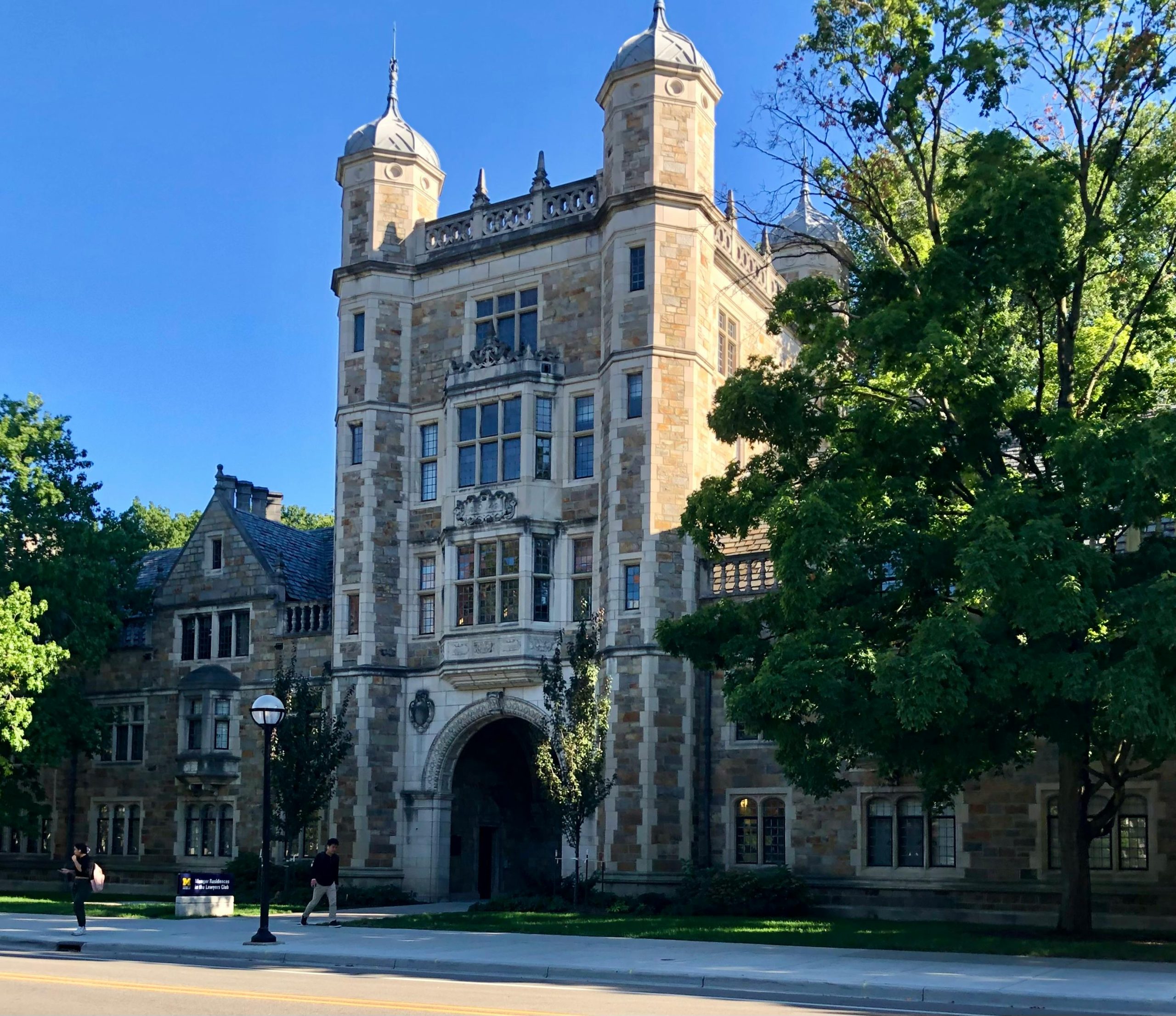
University of Michigan building in Ann Arbor, Michigan

The presence of the University of Michigan influences the rhythms and timing of daily life in Ann Arbor.

Many early questions about Ann Arbor real estate are shaped by the city’s connection to the University of Michigan and how that influence shows up in local patterns.

People often ask how timing works here, since the academic calendar can affect seasonal activity and planning rhythms. As a result, it’s common for buyers and sellers to begin researching well in advance, even if their timeline is flexible.

Questions also come up about why some areas feel steadier year-round, how housing type varies across the city, and what kinds of planning considerations matter most locally. While transactions follow Michigan guidelines, details such as timing, inspections, and negotiations can vary depending on the property and situation.

Understanding these local patterns early can make the process feel more manageable later.

Final Thoughts on Exploring Ann Arbor as a Place to Live

Ann Arbor offers a mix of housing styles, environments, and daily experiences within a relatively small footprint. Location, housing type, lifestyle preferences, and local rhythms all play a role in shaping what living here can feel like.

This guide is meant to provide context rather than conclusions. Taking time to explore different areas, ask questions, and understand how local patterns fit into your own plans can be just as important as reviewing listings or market data.

If you ever want to talk through how any of this applies to your situation, I’m always happy to have a conversation and help you think it through at your own pace.