Facebook
 X
X
 Pinterest
 Copy Link
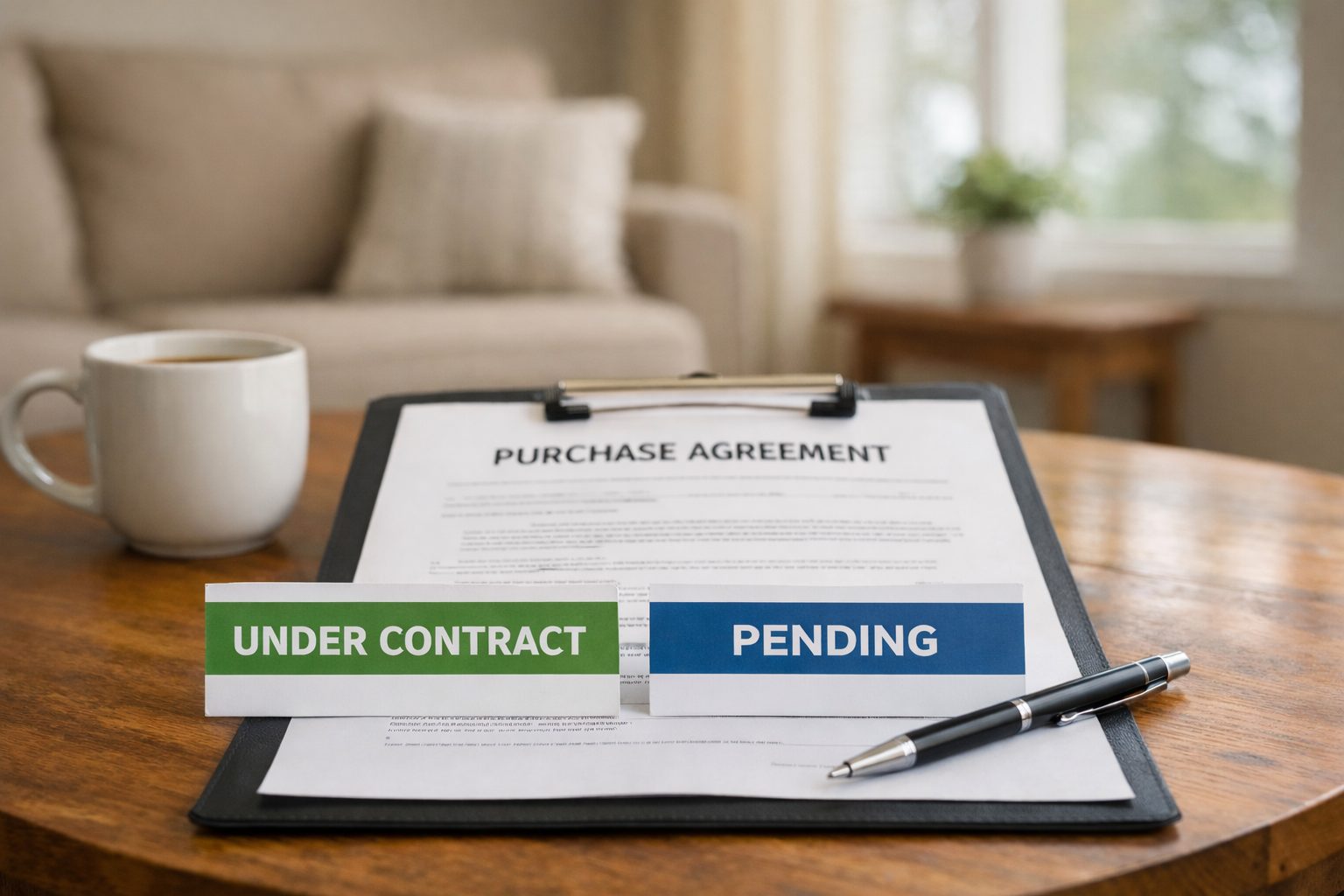
If you are actively watching homes online in Michigan, you have probably seen listings shift from Active to Under Contract and then to Pending. For buyers and sellers, those changes can feel sudden and sometimes confusing.
These terms are not marketing language. They reflect specific stages in the transaction process. Understanding what they typically mean can help you interpret the market more clearly and respond thoughtfully instead of emotionally.
Let’s walk through what each status usually represents in Michigan real estate.
Why Status Changes Create So Much Confusion
Online portals update quickly. A home you were considering yesterday may look unavailable today. Sellers may worry that a status change sends the wrong signal to the market. Buyers may assume a property is completely off limits.
In reality, these terms describe where the contract stands in the process. They do not automatically mean the home is sold or guaranteed to close.
What “Under Contract” Typically Means in Michigan
In Michigan, when a property is marked Under Contract, it generally means the seller has accepted an offer and both parties have signed a purchase agreement. If you want a full walkthrough of what typically happens after that point, here is what happens after an offer is accepted in Michigan.
However, most purchase agreements include contingencies. Common contingencies include:
-
Inspection contingency
-
Financing contingency
-
Appraisal contingency
-
Sale of buyer’s current home, in some cases
During this phase, inspections are often the first major step, which I explain in more detail in the Michigan home inspection process and what buyers should expect.
During this stage, the transaction is moving forward, but certain conditions still need to be satisfied. Inspections may still be scheduled. Lenders may still be reviewing documents. Financing approval happens within defined contract timelines, which are outlined in financing contingencies in Michigan and what they protect buyers and sellers from. Appraisals may not yet be complete.
The home is no longer actively marketed in the same way, but the transaction is still in progress.
What “Pending” Typically Means
When a property status changes to Pending, it usually indicates that the major contingencies have been addressed or removed. The transaction is closer to closing.
At this stage, inspection negotiations are typically resolved, financing is further along, and appraisal concerns have been handled. If valuation becomes an issue earlier in the process, I explain the typical paths forward in what happens if an appraisal comes in low in Michigan. The parties are often preparing for closing, final walkthrough, and title work.
Pending does not mean the home has officially transferred ownership. Closing and recording are separate final steps, which are explained in what to expect on closing day in Michigan and how it works. Until closing occurs and documents are recorded, the sale is not complete.

Online listing status updates help buyers and sellers track where a property stands in the Michigan transaction process
Can Buyers Still View or Make Offers on These Homes?
This depends on the specific circumstances and the seller’s preferences.
In some cases, sellers may allow backup offers while the home is Under Contract. A backup offer can step into first position if the original contract does not move forward.
Once a property is Pending, sellers are less likely to entertain additional offers, but policies can vary by brokerage and by situation.
If a buyer is strongly interested in a home that has changed status, the most practical step is to have their agent verify the current position and ask whether backup offers are being considered.
What Sellers Should Understand About Status Changes
For sellers, status updates reflect transparency and contractual accuracy. Marking a home Under Contract once an offer is accepted is part of proper MLS practice.
Moving to Pending after contingencies are resolved can signal progress, but it should only occur when appropriate under MLS rules and broker guidance.
Accurate status updates protect all parties and help maintain professional standards across the market.
Why This Matters in a Michigan Market Context
Michigan transactions often include inspection negotiations, appraisal reviews, and lender timelines that move at a steady but sometimes unpredictable pace. Seasonal shifts can also influence scheduling and closing timelines.
Understanding that Under Contract and Pending describe process stages rather than outcomes helps buyers and sellers interpret what they are seeing without jumping to conclusions.
Related Reading
-
The Michigan Home Inspection Process: What Buyers Should Expect
-
Financing Contingencies in Michigan: What They Protect Buyers and Sellers From
Final Thoughts
Status labels are not signals of certainty. They are markers of progress within a structured process.
If you are watching a specific property and unsure what its current status means for your situation, it is always reasonable to ask for clarification. Clear information leads to calmer decisions, whether you are buying or selling in Southeast Michigan.
If you ever want to talk through how a particular listing status applies to your situation, I am happy to help.