Facebook
 X
 Pinterest
 Copy Link
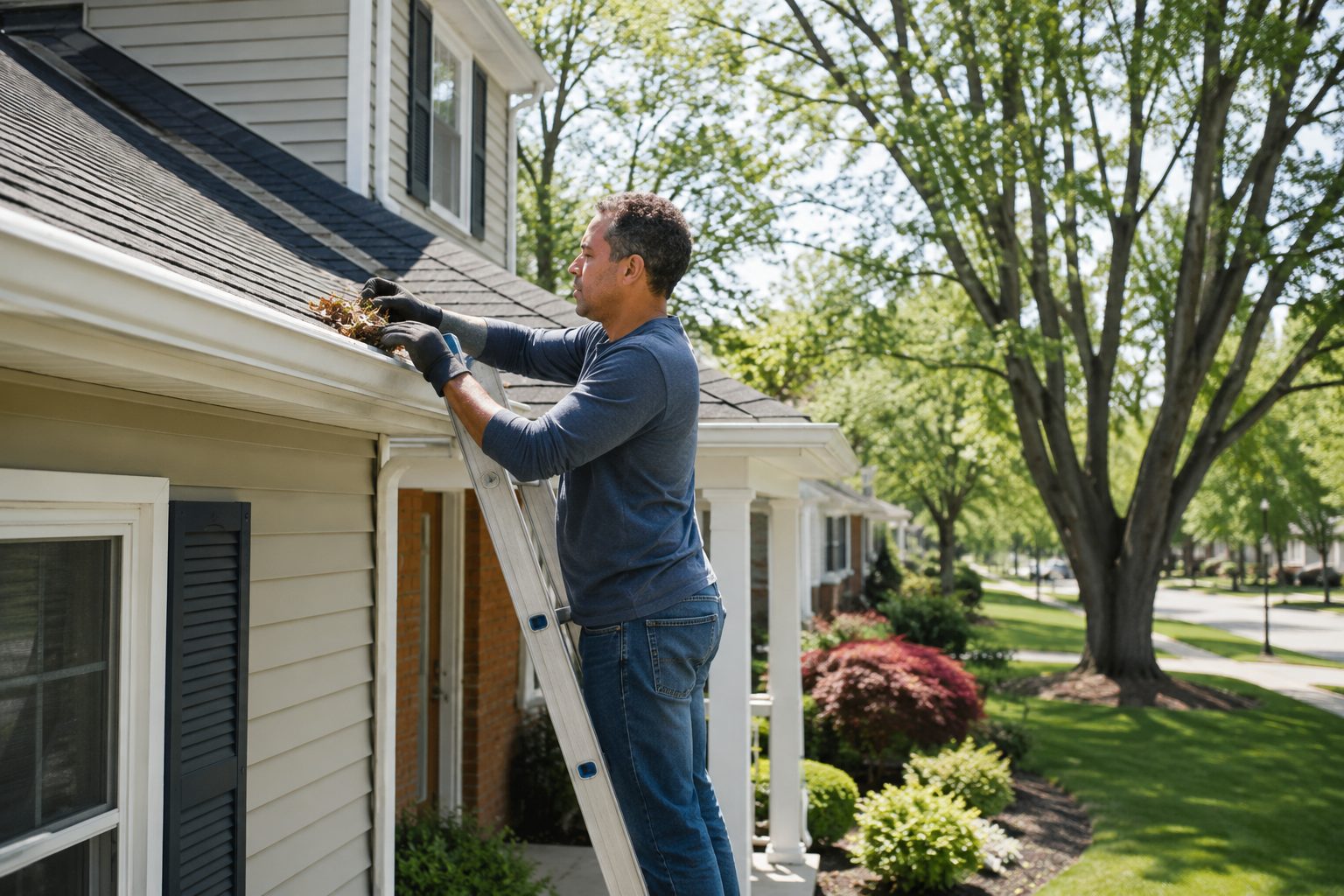
Buying a home is one of the biggest financial decisions you’ll make, but your monthly mortgage isn’t the only expense you’ll want to plan for. If you’re still preparing to buy, you may also find First-Time Home Buying in Southeast Michigan: What to Expect at Each Step helpful.
One of the questions I hear from buyers in Southeast Michigan is:
“How much should I set aside for maintenance after I move in?”
The answer depends on the age, condition, and size of the home, but planning ahead can help you avoid financial surprises and keep your home in good condition for years to come.
Whether you’re buying your first home or your fifth, here’s a practical way to think about home maintenance in Michigan.
A Good Rule of Thumb
Many financial planners recommend budgeting 1% to 2% of your home’s value each year for maintenance.
For example:
| Home Value | Annual Maintenance Budget | Monthly Savings Goal |
|---|---|---|
| $300,000 | $3,000–$6,000 | $250–$500 |
| $400,000 | $4,000–$8,000 | $333–$667 |
| $500,000 | $5,000–$10,000 | $417–$833 |
| $700,000 | $7,000–$14,000 | $583–$1,167 |
This isn’t money you’ll necessarily spend every year.
Some years may only require minor repairs, while another year could bring a new furnace or roof replacement. Saving consistently helps smooth out those larger expenses.
Michigan Homes Have Their Own Maintenance Needs
Michigan’s changing seasons create wear and tear that homeowners in warmer climates may not experience.
Depending on your home, you may eventually need to budget for:
- Furnace replacement
- Air conditioning replacement
- Water heater
- Roof replacement
- Foundation repairs
- Driveway repairs
- Sump pump replacement
- Window replacement
- Exterior painting or siding repairs
- Deck maintenance
- Tree trimming
- Gutter cleaning
- Snow removal equipment or service
Winter freeze-thaw cycles, snow, ice, heavy rain, and humidity all affect different parts of a home over time.
Regular maintenance helps catch small issues before they become expensive repairs.
Older Homes Usually Require Larger Maintenance Budgets
Not every home has the same maintenance costs.
For example:
A well-maintained home built in 2018 with newer mechanical systems may only need routine upkeep.
A home built in the 1970s with original windows, aging plumbing, or an older roof may require larger projects over the next several years.
That doesn’t mean older homes are bad investments.
It simply means buyers should understand what may need attention and plan accordingly.
During showings, I encourage buyers to look beyond paint colors and staging and pay attention to the major systems that affect long-term ownership costs.
Typical Major Home Components
Every home is different, but these are common life expectancies homeowners often use as planning guides.
| Component | Typical Life Expectancy |
|---|---|
| Asphalt roof | 20–30 years |
| Furnace | 15–25 years |
| Central air conditioner | 12–20 years |
| Water heater | 8–15 years |
| Sump pump | 7–10 years |
| Garage door opener | 10–15 years |
| Deck stain or sealing | Every 2–4 years |
| Driveway sealing | Every 2–4 years |
Actual lifespan depends on installation quality, maintenance, usage, and local conditions.
Maintenance Isn’t the Same as Renovation
It’s helpful to separate maintenance from upgrades.
Maintenance includes:
- Replacing worn-out mechanical systems
- Repairing leaks
- Cleaning gutters
- Servicing HVAC equipment
- Replacing broken fixtures
- Caulking windows
- Repairing exterior trim
Renovations include:
- Kitchen remodels
- Bathroom remodels
- New flooring for cosmetic reasons
- Finishing a basement
- Adding a deck
- Expanding living space
Maintenance protects your investment.
Renovations are optional improvements that may increase enjoyment or market appeal.
How a Home Inspection Can Help You Plan
A home inspection doesn’t predict every future repair.
However, it provides valuable information about the home’s current condition.
An inspector may identify:
- Components approaching the end of their useful life
- Safety concerns
- Deferred maintenance
- Items to monitor over time
- Repairs that should be addressed sooner rather than later
This information helps buyers prioritize future expenses and decide whether to request repairs or negotiate credits during the purchase process. For a deeper look at what inspectors evaluate, read The Michigan Home Inspection Process: What Buyers Should Expect.
Don’t Spend Your Entire Savings on Closing Day
One mistake some first-time buyers make is using every available dollar for the down payment and closing costs.
Owning a home almost always brings unexpected expenses during the first year.
Examples include:
- Replacing locks
- Purchasing lawn equipment
- Window coverings
- Small plumbing repairs
- Appliance maintenance
- HVAC servicing
- Furniture and storage solutions
Leaving yourself with a financial cushion can make those first months of homeownership much less stressful. Understanding your full costs after closing is just as important as understanding the buying process. What Happens After an Offer Is Accepted in Michigan explains what to expect before you receive the keys.
What I Discuss With My Buyers
When we tour homes together, we don’t just look at finishes.
We also discuss:
- Approximate age of the roof
- Furnace and air conditioner
- Water heater
- Foundation observations
- Drainage around the home
- Sump pump
- Windows
- Driveway condition
- Large trees near the house
- Maintenance items that may come up in the coming years
No home is maintenance-free.
The goal is understanding what you’re buying so you can make an informed decision.
Final Thoughts
Home maintenance shouldn’t be viewed as an unexpected expense. It’s simply part of owning a home.
Planning for those costs ahead of time can help you feel more confident, reduce financial surprises, and protect one of your biggest investments.
If you’re thinking about buying a home in Southeast Michigan, I can help you evaluate not only the purchase price but also the long-term ownership costs so you have a clearer picture before you make an offer. If you’re also wondering whether now is the right time to buy, Should You Wait for Interest Rates to Drop Before Buying a Home in Michigan? may help you weigh that decision.
If you’d like to start your home search or have questions about buying in Southeast Michigan, I’d be happy to help.