Facebook
 X
X
 Pinterest
 Copy Link
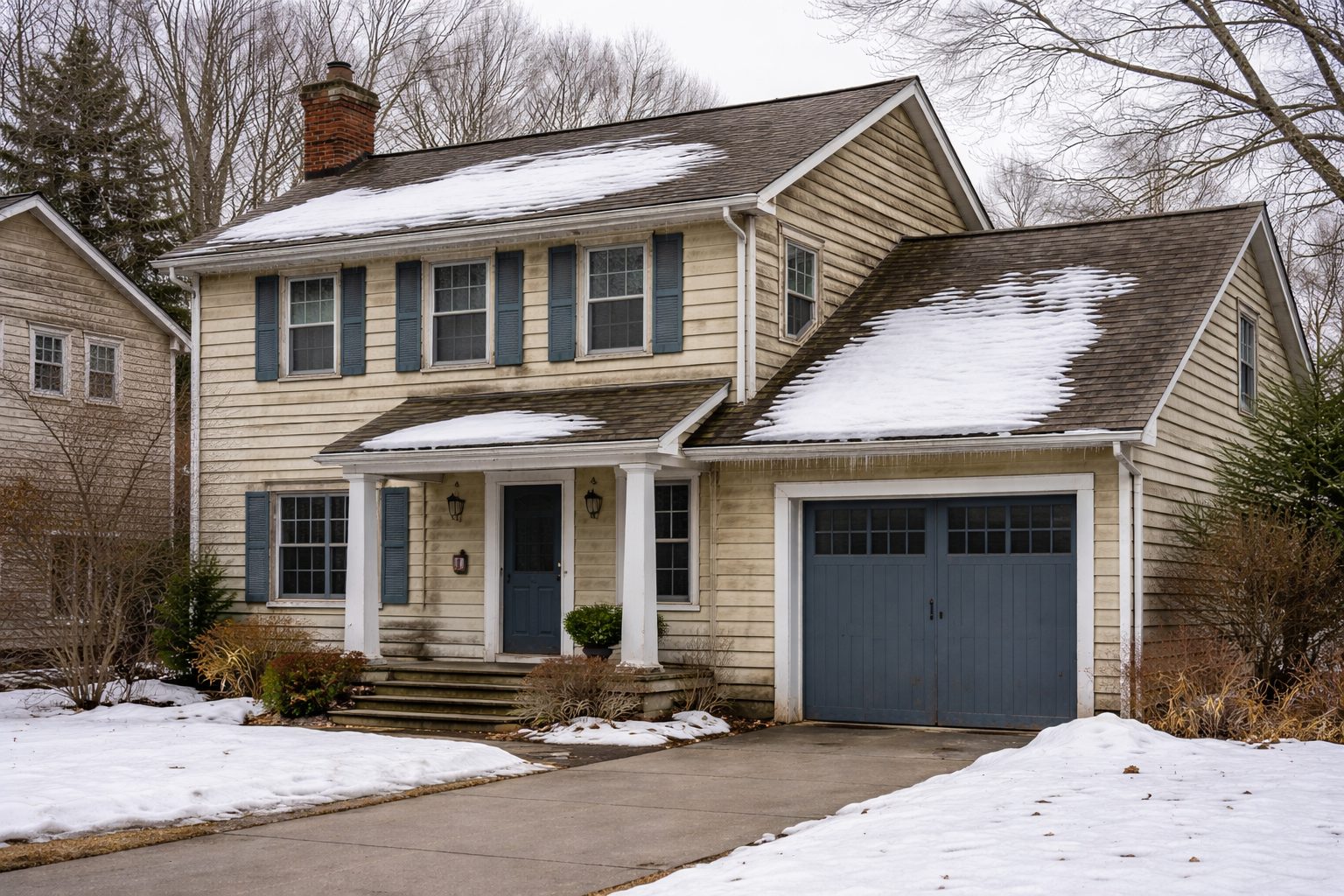
If you are thinking about selling a home in Michigan, the term deferred maintenance may come up early in the conversation. It often sounds more serious than it needs to be. In simple terms, deferred maintenance refers to routine repairs or upkeep that were postponed over time.
This is extremely common, especially in homes that have been lived in and cared for over many years. Deferred maintenance does not mean you did anything wrong as a homeowner. What matters is understanding how buyers see it and how it can affect the selling process so you can make informed decisions before listing. If you want a broader overview of how preparation fits into the full timeline, you can read Selling a Home in Michigan: What to Expect at Each Step.
This guide is meant to give you clarity and help you avoid surprises.
What Deferred Maintenance Means in Real Life
Deferred maintenance usually shows up as items that still function but clearly show age or wear. These are not emergencies. They are areas where maintenance was delayed long enough to become noticeable to buyers or inspectors.
Common examples in Michigan homes include:
-
Roofs approaching the end of their useful life
-
Older furnaces, boilers, or air conditioning systems
-
Exterior paint or wood trim affected by moisture
-
Minor plumbing leaks that were never fully repaired
-
Cracked concrete, loose railings, or sticking doors
These conditions are especially common in older housing stock and long term ownership situations. Buyers generally understand this. What they respond to most is whether the home appears consistently cared for.
How Buyers Tend to Read Deferred Maintenance
Buyers rarely look at deferred maintenance item by item. Instead, they form an overall impression of the home.
When several small issues appear, buyers may begin to wonder whether other concerns exist beneath the surface. Even manageable repairs can create hesitation if they feel stacked together.
In Michigan, this often comes into focus during the inspection period. If you want to understand what buyers typically review during that stage, here is a guide to the Michigan home inspection process and what buyers should expect. Buyers decide whether they feel confident moving forward or whether they need protection through credits, repairs, or price adjustments.
The condition itself is often less important than the uncertainty it creates.
How Deferred Maintenance Can Affect Price and Negotiation
Deferred maintenance typically shows up in one or more of these ways:
-
Buyers factor expected repairs into their offer price
In some cases, condition can also influence valuation outcomes, which I explain further in what happens if an appraisal comes in low in Michigan.
-
Inspection negotiations become more detailed
Here is a closer look at how inspection negotiations in Michigan and what buyers and sellers should know typically unfold.
-
The home takes longer to sell due to hesitation or comparison
In many cases, addressing a few visible or functional issues before listing helps reduce friction later. In other situations, pricing realistically from the beginning is the better approach. There is no single answer. The right strategy depends on the home, the market, and your goals.
What Is Often Worth Addressing Before You List
The goal is not perfection. The goal is confidence.
Repairs that often make sense before listing include:
-
Active water leaks or signs of ongoing moisture
-
Safety related concerns such as steps, railings, or electrical issues
-
Mechanical or electrical items likely to be flagged immediately
-
Exterior issues that strongly affect first impressions
Items that are often reasonable to leave as is include:
-
Older systems that are functioning properly
-
Cosmetic wear that aligns with the home’s age
-
Large upgrades that do not significantly change buyer perception
A thoughtful pre listing walkthrough can help separate what truly matters from what is unlikely to impact your sale.
Your Main Options When Selling With Deferred Maintenance
Most sellers choose one of three approaches:
-
Address key concerns before listing to strengthen buyer confidence
-
Price the home with condition clearly in mind and sell as is
-
Combine selective repairs with transparency and realistic pricing
All three paths can work when expectations are aligned from the start. Challenges tend to arise when condition and pricing do not match.
Michigan Specific Factors Buyers Pay Close Attention To
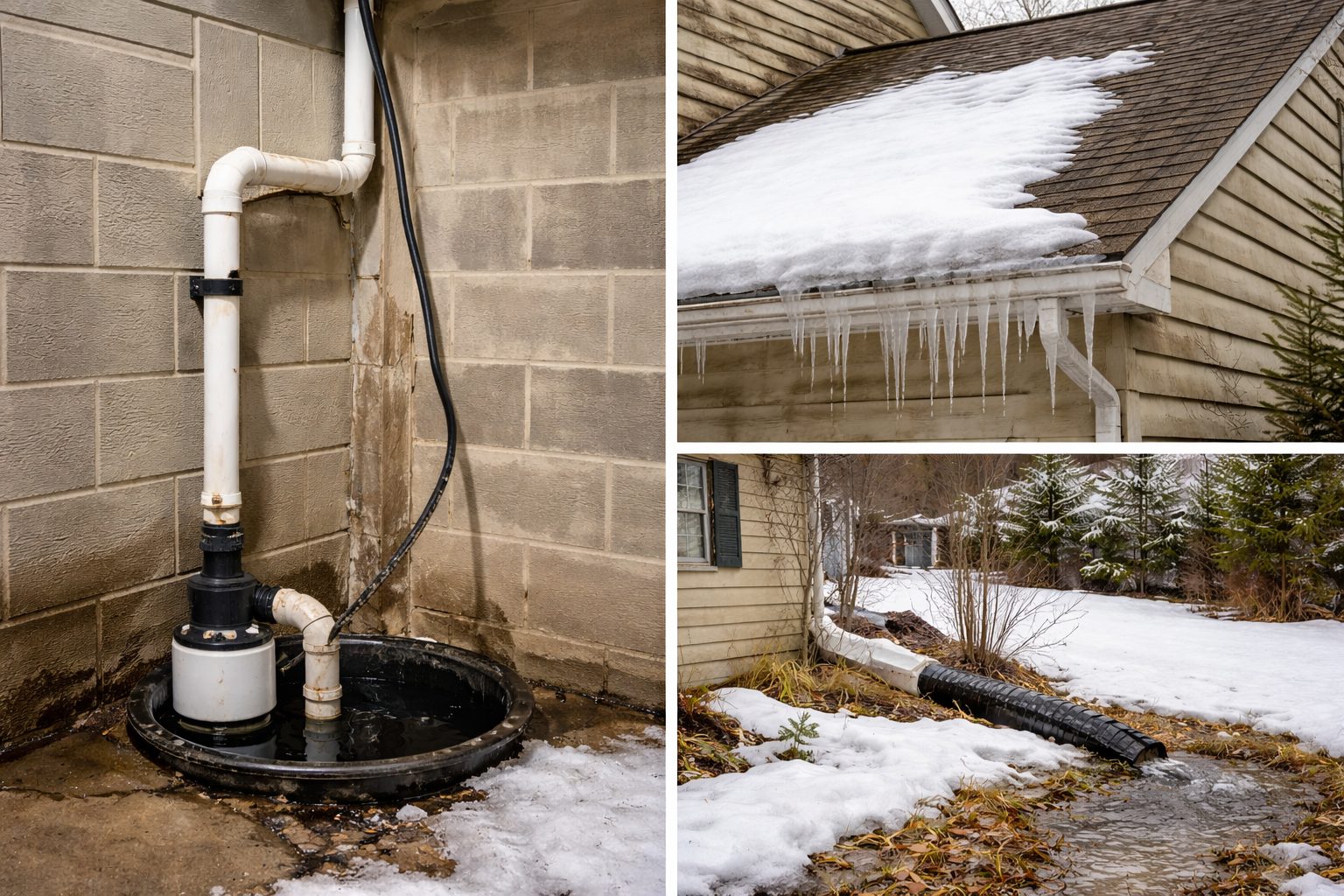
Michigan buyers and inspectors pay close attention to roof ice buildup, sump pump performance, and winter drainage concerns.
In Michigan, deferred maintenance is often evaluated through the lens of climate and long term weather exposure. Buyers and inspectors are especially attentive to issues shaped by long winters and seasonal changes.
Common Michigan specific considerations include:
-
Roof wear related to snow load, ice dams, and repeated freeze thaw cycles
-
Gutter performance and drainage that affects fascia, soffits, or interior ceilings
-
Sump pump condition and discharge setup, especially after snowmelt
-
Hairline foundation cracking from freeze thaw movement
-
Older windows with drafts, condensation, or heat loss concerns
-
Exterior grading and drainage that direct water away from the foundation
Many of these items are normal in Michigan homes. Buyers do not expect them to be absent. They want to see that they are understood, disclosed, and priced appropriately.
Related Reading
-
The Michigan Home Inspection Process: What Buyers Should Expect
-
Inspection Negotiations in Michigan: What Buyers and Sellers Should Know
Final Thoughts
Deferred maintenance does not mean your home cannot sell or that something has gone wrong. It simply means the strategy matters.
When repairs, pricing, and expectations are aligned, transactions tend to move more smoothly and negotiations stay reasonable. If you would like to talk through how deferred maintenance may apply to your specific home or how buyers in your area are likely to respond, I am always happy to walk through it with you.