Facebook
 X
X
 Pinterest
 Copy Link
Ann Arbor is one of those places people often hear about before they ever consider moving here. It comes up in conversations about education, walkable areas, food, and access to jobs across Southeast Michigan.
If you’re thinking about living in Ann Arbor, or simply trying to understand how it compares to nearby communities, this guide is meant to offer a clear, practical overview. It looks at housing styles, general lifestyle considerations, and local patterns that shape how the city feels, without assumptions about who the area is “for.”
It’s a starting point to help you understand what living in Ann Arbor can look like, so you can decide how it fits into your own plans.

Bike lanes are part of how people get around in some areas of downtown Ann Arbor.
Where Ann Arbor Is Located and How People Get Around
Ann Arbor is located in western Washtenaw County and sits within driving distance of several major Southeast Michigan job centers. Because of this, people exploring the city often ask about commuting patterns, traffic flow, and how easy it is to move around day to day.
Within the city, transportation experiences vary by area. Some parts of Ann Arbor are more compact, with easier access to shops, restaurants, and public spaces. Other areas are more spread out and tend to be more car-dependent. Public transportation, biking, and walking are part of the broader conversation as well, particularly closer to central corridors.
How someone gets around often becomes part of the decision-making process, since location can influence daily routines, commute time, and overall pace of life.
Housing Styles You’ll Find Across Ann Arbor
One of the defining characteristics of Ann Arbor is the range of housing styles within the city. Homes can look and feel very different depending on where you are, which is why understanding the overall housing landscape is often more helpful than focusing on a single listing.
Closer to the city center, many homes reflect earlier periods of development and often feature original architectural details. These properties tend to raise questions about updates, maintenance, and long-term upkeep.
Moving outward, there are established neighborhoods developed in the mid-1900s, along with more recent construction toward the edges of the city. These areas may offer different layouts, lot sizes, and renovation considerations.
Condominiums and townhomes are also part of the housing mix, providing alternatives to single-family homes and introducing factors such as association rules, shared maintenance, and monthly fees.
Because housing stock spans many decades, comparing homes in Ann Arbor often involves weighing trade-offs rather than finding one “ideal” option.
General Lifestyle Considerations Buyers Often Ask About
Beyond housing, many questions about Ann Arbor relate to day-to-day lifestyle and how different areas function in practice.
Some parts of the city feel more walkable, while others rely more on driving. Ann Arbor also has a network of bike lanes and shared-use paths in certain areas, which can factor into how people think about commuting, errands, and recreation.
Green space is another visible part of the landscape. Parks, trails, and environmental features such as rain gardens are common in many neighborhoods, reflecting the city’s approach to stormwater management and outdoor space. The Huron River runs through Ann Arbor as well, creating access to walking paths and seasonal activities like kayaking in some areas.

The Huron River runs through Ann Arbor and is part of how people experience the city’s outdoor spaces, especially in warmer months.
Dining and local businesses also come up often. Many people notice the variety of cuisines across the city, along with how close everyday amenities are to where they live.
How Different Areas of Ann Arbor Can Feel
Ann Arbor does not feel the same from one area to the next. Differences in layout, housing density, proximity to activity, and access to green space all contribute to how a particular part of the city feels on a daily basis.
Areas closer to downtown tend to feel more compact and active, with more foot traffic and visible activity throughout the day. Other parts of the city feel quieter and more residential, with wider streets and fewer nearby destinations.
Some areas are shaped by nearby parks or the river, where outdoor space and seasonal changes are more noticeable. These variations can influence everything from noise levels to how people structure their daily routines.
Because of this, two homes with similar features can feel very different depending on their surroundings.
Common Ann Arbor–Specific Questions That Come Up Early
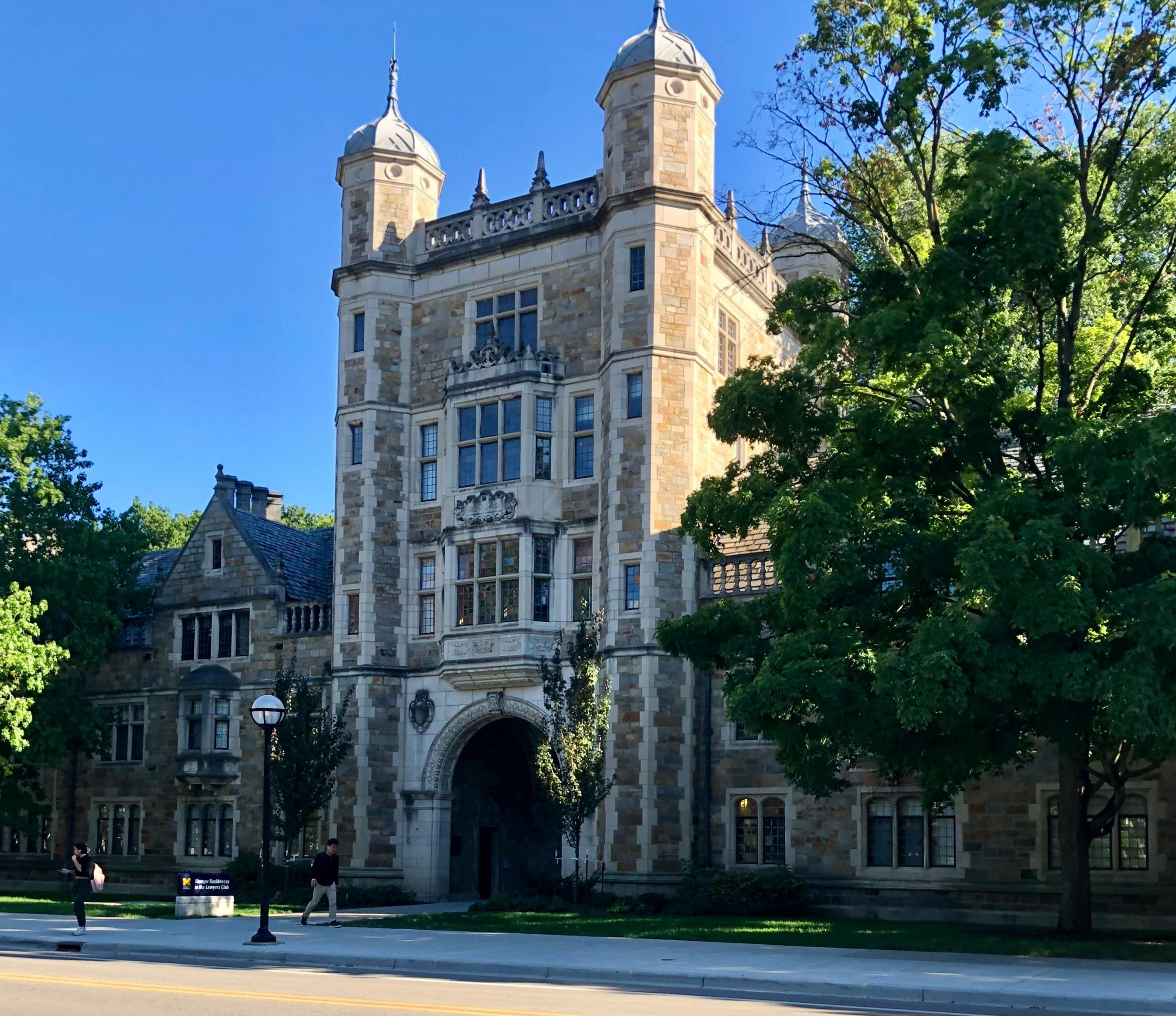
The presence of the University of Michigan influences the rhythms and timing of daily life in Ann Arbor.
Many early questions about Ann Arbor real estate are shaped by the city’s connection to the University of Michigan and how that influence shows up in local patterns.
People often ask how timing works here, since the academic calendar can affect seasonal activity and planning rhythms. As a result, it’s common for buyers and sellers to begin researching well in advance, even if their timeline is flexible.
Questions also come up about why some areas feel steadier year-round, how housing type varies across the city, and what kinds of planning considerations matter most locally. While transactions follow Michigan guidelines, details such as timing, inspections, and negotiations can vary depending on the property and situation.
Understanding these local patterns early can make the process feel more manageable later.
Final Thoughts on Exploring Ann Arbor as a Place to Live
Ann Arbor offers a mix of housing styles, environments, and daily experiences within a relatively small footprint. Location, housing type, lifestyle preferences, and local rhythms all play a role in shaping what living here can feel like.
This guide is meant to provide context rather than conclusions. Taking time to explore different areas, ask questions, and understand how local patterns fit into your own plans can be just as important as reviewing listings or market data.
If you ever want to talk through how any of this applies to your situation, I’m always happy to have a conversation and help you think it through at your own pace.