Facebook
 X
X
 Pinterest
 Copy Link
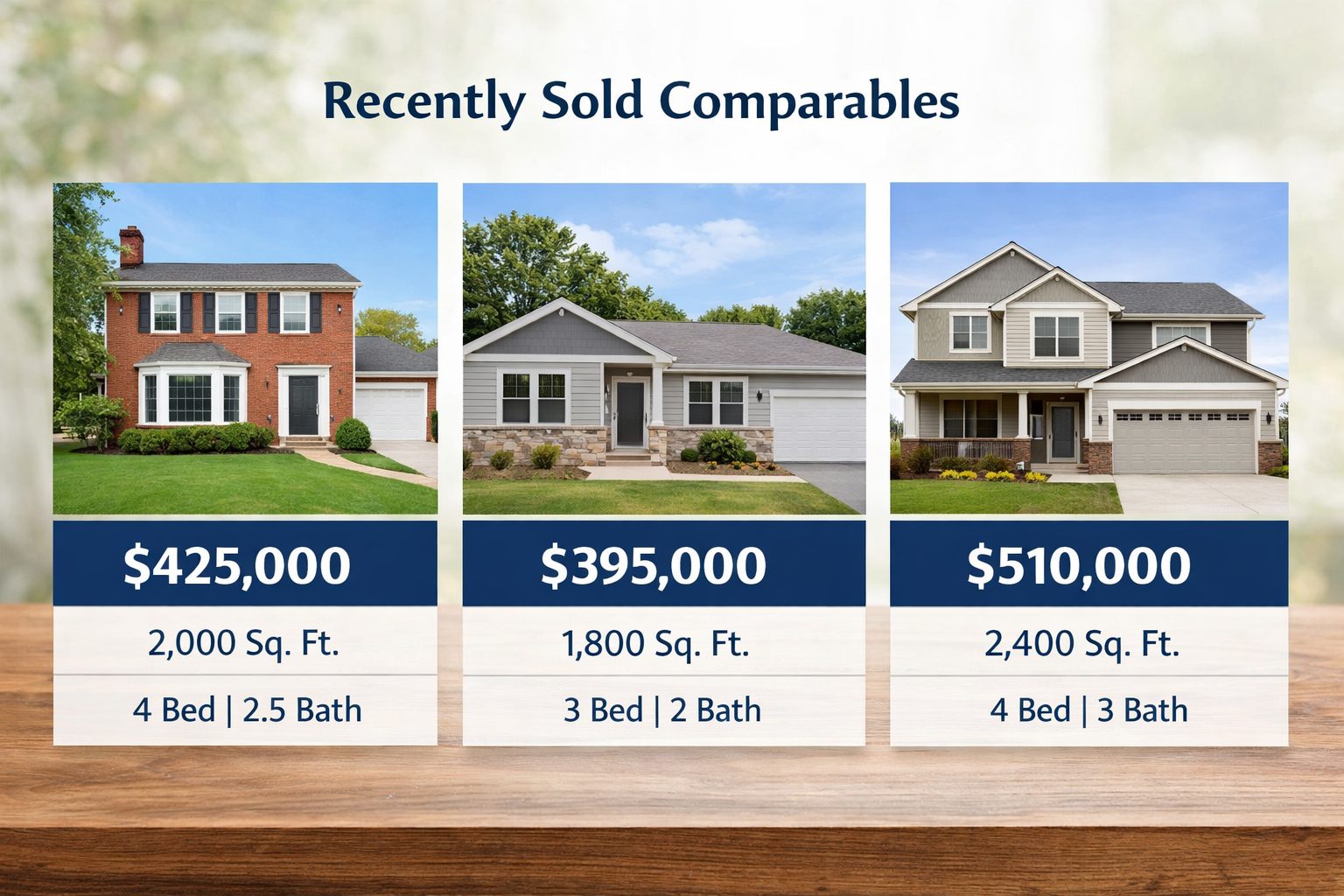
If you are preparing to sell your home in Michigan, one of the biggest decisions you will make is the list price.
This number influences how quickly buyers schedule showings, how strong offers may be, and how smoothly the appraisal process unfolds later. Pricing is not about guessing high or matching a neighbor’s sale. It is a structured decision based on data, condition, and current market behavior.
Here is how sellers typically determine what number to list at in Michigan.
Step 1: Reviewing Recent Comparable Sales in Michigan
The foundation of pricing is recent closed sales.
A comparative market analysis looks at properties that:
-
Sold recently
-
Are similar in square footage and layout
-
Have comparable lot size and age
-
Are located in the same neighborhood or school district when possible
Closed sales matter most because they show what buyers were actually willing to pay, not what sellers hoped to receive.
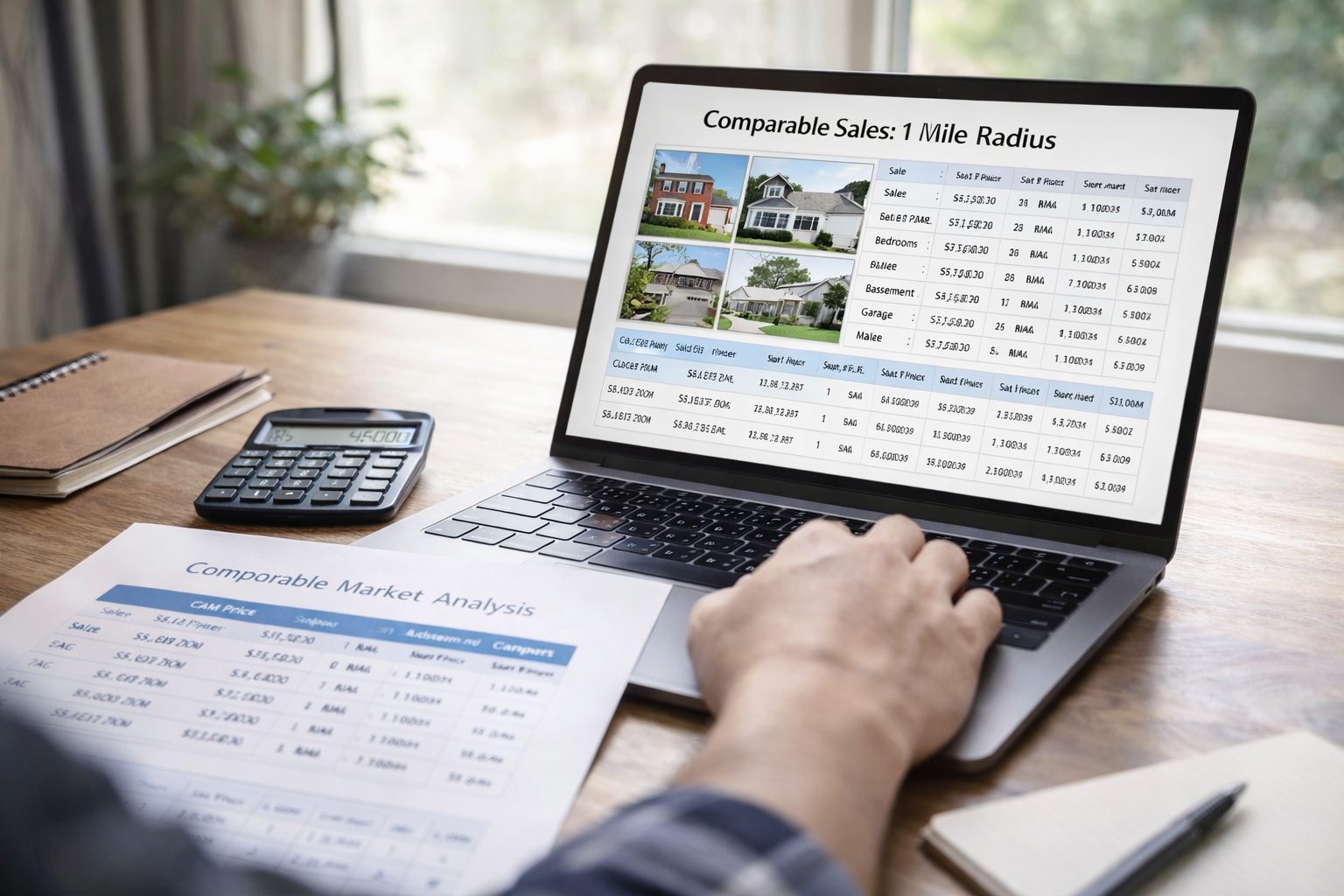
Recent comparable sales help determine an appropriate list price in Michigan.
Active listings provide context. Under contract homes can signal demand. But closed data is what appraisers and lenders rely on.
This step keeps pricing grounded in evidence rather than emotion.
Step 2: Adjusting for Condition and Updates
Two homes in the same neighborhood can sell for very different numbers.
Pricing must account for:
-
Kitchen and bath updates
-
Roof, windows, mechanical systems
-
Flooring and overall maintenance
-
Layout functionality
-
Basement finish or outdoor features
Buyers compare homes quickly. If a property is move in ready, it competes differently than one that requires work. The list price should reflect what buyers will see the moment they walk in.
In my experience across Southeast Michigan, realistic pricing aligned with condition tends to create steadier activity and fewer surprises during inspection or appraisal.
Step 3: Understanding Current Market Behavior in Your City
Pricing in Michigan is hyper local.
Market pace and buyer demand can vary between:
-
Ann Arbor
-
Birmingham
-
Royal Oak
-
Northville
-
Plymouth
Even within the same city, pricing strategy may shift depending on:
-
Entry level versus luxury price ranges
-
Condo versus single family homes
-
Homes built in the 1950s versus new construction
A seller in Ann Arbor may see different buyer behavior than a seller in Royal Oak, even at similar price points. Reviewing current absorption rates and days on market in your specific area helps clarify expectations.
Step 4: Considering Buyer Search Behavior
Buyers search online within price brackets.
For example, many buyers set filters such as:
-
Up to 400,000
-
400,000 to 500,000
-
500,000 and above
A home listed just above a common search threshold may miss a large group of buyers. Strategic pricing considers where the home will appear in filtered search results.
This is a practical detail, but it can meaningfully affect visibility.
Step 5: Evaluating Appraisal Risk
If a buyer is financing the purchase, the lender orders an appraisal.
The appraiser will review comparable sales to confirm the agreed price is supported. If the list price stretches far beyond recent data, it can create challenges later in the transaction.
Pricing carefully from the start reduces the likelihood of renegotiation or delays during the financing stage.
The Risk of Overpricing
Overpricing often leads to:
-
Limited showing activity
-
Longer time on market
-
Price reductions
-
Buyer hesitation
In Michigan markets where buyers are watching new listings closely, the first two weeks are especially important. If a property sits without activity, buyers may assume something is wrong, even if it is simply priced above current expectations.
A well positioned list price helps generate early, meaningful interest.
The Risk of Underpricing
Underpricing without a defined strategy can also be risky.
While some sellers consider pricing slightly below recent sales to encourage competition, that approach should be based on actual demand and local data. It should never rely on assumptions or pressure.
The goal is not speed alone. The goal is balance between market exposure, offer quality, and transaction stability.
Who Ultimately Decides the List Price
The seller makes the final decision.
My role as a licensed real estate professional is to:
-
Provide accurate, recent comparable data
-
Explain current market conditions in your city
-
Outline potential risks and benefits of different price points
-
Answer questions clearly and directly
Pricing is a strategic conversation. It is not a one size fits all formula.
When sellers understand how the number is supported, they tend to feel more confident once the home hits the market.
Final Thoughts
Pricing a home in Michigan is not about aiming high and hoping. It is about aligning with what buyers are actively paying right now.
A thoughtful pricing strategy can help attract serious buyers early, support a smooth appraisal process, and reduce the need for reactive price changes later.
If you would like to review what pricing would look like for your specific property in your neighborhood, I am happy to walk through the data with you and answer your questions.